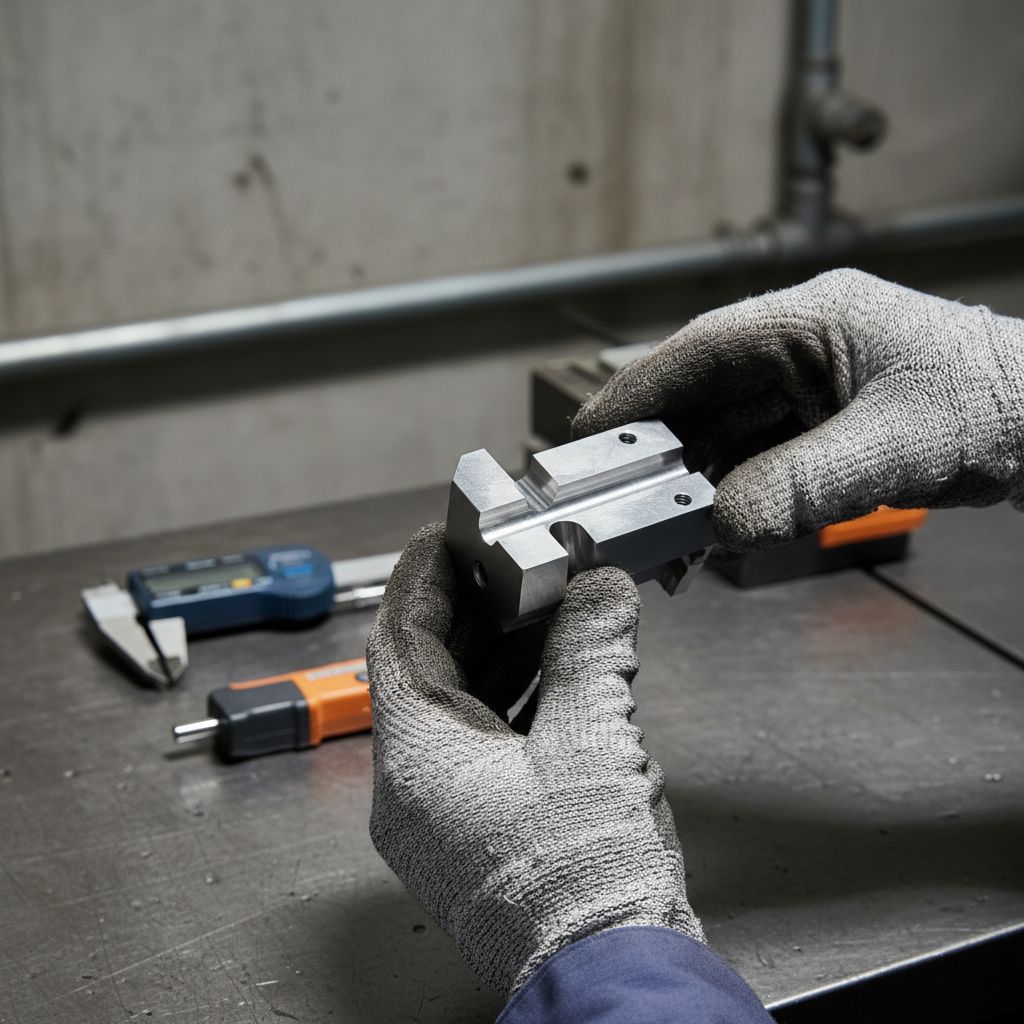
Original Equipment Manufacturers must verify essential contract manufacturing certifications like ISO 9001 for quality management and AS9100 for aerospace standards to guarantee production reliability and safety. These credentials prove a supplier maintains rigorous risk management, traceability, and regulatory compliance protocols; verifying these standards ensures a partner can consistently meet high-level industry requirements.
Finding a contract manufacturing partner who can meet rigorous engineering tolerances while maintaining supply chain transparency is a constant challenge for original equipment manufacturers. A single oversight in production or a lapse in compliance can lead to costly delays, product failures, or legal liabilities that damage your brand reputation. Certifications serve as the ultimate benchmark for operational integrity; they provide the objective evidence required to trust a supplier with your most critical components. In this guide, we will analyze the foundational importance of ISO 9001 2015 and explore the specialized requirements of AS9100D and ITAR compliance for aerospace and defense. You will also learn about technical proficiency through AWS certifications and how to utilize a verification checklist to ensure your chosen partner maintains a living system of continuous improvement.
Why Contract Manufacturing Certifications Are More Than Just Badges
For Original Equipment Manufacturers (OEMs), selecting a partner for full scale production services involves significant capital and reputational risk. In this environment, contract manufacturing certifications serve as a critical tool for risk mitigation. There is a profound difference between a shop that claims to be compliant with a standard and one that is officially certified by an accredited third party. Compliance is often a self monitored state that lacks external validation; certification requires a rigorous audit of a facility's Quality Management System (QMS) to ensure it meets global benchmarks for reliability.
Certifications like ISO 9001 provide a standardized framework that replaces tribal knowledge with documented, repeatable processes. This structure ensures full traceability, allowing every component to be tracked from raw material through final delivery. At Duchesne Manufacturing, we believe that true quality cannot be simply inspected in at the end of a production run. Instead, our perspective is that quality must be built into the manufacturing process itself. By adhering to these rigorous standards, a contract manufacturing company can guarantee that every part meets exact specifications, reducing the likelihood of defects and ensuring that lead times remain consistent across high volume orders.
The Foundation of Quality: ISO 9001 2015 Explained

ISO 9001:2015 serves as the baseline for any reputable contract manufacturing company because it institutionalizes operational excellence. Unlike uncertified facilities where production often relies on tribal knowledge, which is the unwritten expertise held by a few key employees, an ISO certified shop operates through documented, repeatable systems. When production relies on memory rather than a standardized Quality Management System (QMS), the risk of variability increases, leading to inconsistent part dimensions or unexpected delays.
The 2015 revision of the standard is built on several core pillars that directly impact an OEM’s operational efficiency. Customer Focus ensures that manufacturing processes are aligned with specific client requirements rather than general assumptions. Evidence Based Decision Making requires the use of objective data to identify inefficiencies, ensuring that changes to the production line are based on facts rather than intuition. Finally, Relationship Management fosters a collaborative environment with suppliers to ensure the quality of raw materials entering the facility.
For the OEM, these contract manufacturing certifications translate directly to the bottom line. By implementing a disciplined framework for process control, certified manufacturers significantly reduce defect rates and scrap costs. Furthermore, documented workflows enable more accurate scheduling, which improves lead time consistency. When a manufacturer can demonstrate full traceability and rigorous change control, the OEM gains a partner capable of scaling full scale production services without the growing pains of inconsistent output. This structural approach ensures that every production run is as precise as the prototype, regardless of which shift or operator is on the floor.
Aerospace and Defense Standards: AS9100D and ITAR Compliance
Building on the baseline of ISO 9001, the aerospace and defense sectors require a specialized set of contract manufacturing certifications to address the high stakes of mission-critical components. AS9100D is the gold standard in this arena. It incorporates all requirements of ISO 9001 while adding dozens of specific mandates for risk management, product safety, and configuration control. In an industry where a single component failure can have catastrophic consequences, AS9100D requires a proactive approach to identifying and mitigating risks before a part ever hits the production floor.
Configuration control under AS9100D is particularly vital for OEMs. This system ensures that every iteration of a part is meticulously tracked, preventing the use of obsolete drawings or unapproved material substitutions. For a contract manufacturing company operating at scale, this discipline prevents the drift that can occur over long-term production contracts. It provides a guarantee that the millionth part produced is identical to the first approved prototype.
Beyond quality systems, US-based defense projects often mandate ITAR (International Traffic in Arms Regulations) compliance. It is important to understand that ITAR is not a voluntary quality badge; it is a legal framework administered by the U.S. State Department. ITAR controls the export and transfer of defense-related articles and technical data. For a manufacturer like Duchesne Manufacturing, ITAR compliance involves rigorous internal security protocols, restricted access to digital and physical files, and strict employee verification to protect sensitive information.
For domestic OEMs, partnering with a US-based firm that manages these requirements provides a layer of legal security that cannot be found overseas. Verifying that a partner has both the technical quality systems of AS9100D and the legal framework of ITAR registration ensures that full scale production services meet the stringent demands of the Department of Defense and Tier 1 aerospace suppliers. This combination of process control and data security is what separates specialized manufacturers from general machine shops.
Technical Proficiency: AWS Certifications and Specialized Labor
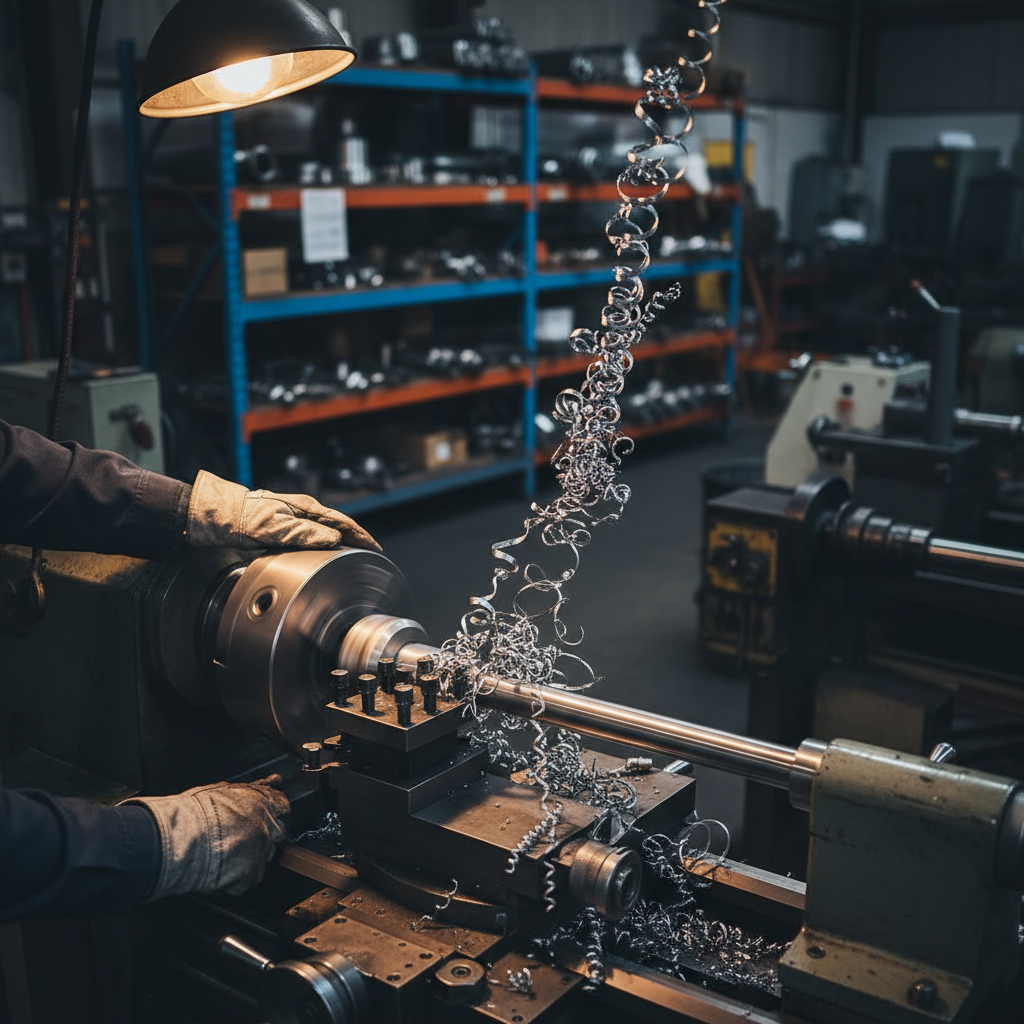
While ISO and AS9100 govern how a contract manufacturing company manages its business, technical certifications like those from the American Welding Society (AWS) govern how work is actually performed on the shop floor. In full scale production services, the gap between a shop that "can weld" and one that employs certified specialists is measured in structural integrity and long term liability.
A facility committed to technical excellence maintains documented Welding Procedure Specifications (WPS). A WPS is a proven recipe for a specific weld; it details the voltage, travel speed, and filler metal required to achieve a sound joint every time. These procedures are validated by a Procedure Qualification Record (PQR), which provides the physical test data proving the weld meets industry standards. Without these documents, an OEM has no guarantee that a weld's internal properties are consistent across a high volume run.
Furthermore, the presence of a Certified Welding Inspector (CWI) adds an essential layer of oversight. A CWI provides objective validation that every operator is qualified for the specific material and position being welded. For OEMs, these technical contract manufacturing certifications ensure that specialized labor is governed by physics and data rather than individual craft. This rigor reduces the risk of fatigue failure or weld rejection, ensuring the finished product performs exactly as engineered.
Environmental and Safety Standards: ISO 14001 and ISO 45001
Beyond technical proficiency and quality management, a robust facility must address environmental and safety risks that could jeopardize a project's timeline. ISO 14001 (Environmental Management) and ISO 45001 (Occupational Health and Safety) are critical contract manufacturing certifications that safeguard against operational volatility. For an OEM, a supplier’s failure to manage hazardous materials or workplace safety is not just an internal issue; it is a direct threat to the supply chain.
An environmental violation or a major workplace accident can lead to immediate facility closures, legal injunctions, and significant reputational damage to the brand owner. By partnering with a contract manufacturing company that adheres to these standards, OEMs ensure that their full scale production services are supported by a partner who proactively identifies and mitigates operational hazards. These certifications demonstrate that the manufacturer has the systems in place to avoid the regulatory fines and work stoppages that frequently occur in less disciplined shops; this provides a layer of security that extends from the shop floor to the OEM's bottom line.
The Verification Checklist: How to Qualify a Contract Manufacturer

Transitioning from high level standards to the vetting process requires a shift from trust to verification. For procurement teams, the presence of a logo on a website is a starting point, not the conclusion of due diligence. To ensure a contract manufacturing company can truly deliver on its promises, a formal qualification process must be followed. This structured approach prevents the risk of onboarding a partner whose internal systems are not actually validated for the work at hand.
Request the Official Certificate: Never rely solely on marketing materials or verbal assurances. Require the supplier to provide the full, multi page certificate issued by their registrar. This document contains the specific details needed to verify its legitimacy.
Analyze the Scope of Registration: The scope is a concise statement on the certificate that defines what the manufacturer is actually certified to do. It is possible for a shop to be certified for "Distribution of Fasteners" while claiming expertise in "Advanced CNC Machining." You must ensure the scope explicitly covers the full scale production services you are outsourcing.
Confirm Location Specificity: Contract manufacturing certifications are often site specific. If a company operates three different facilities, the certification might only apply to one. Verify that the address on the certificate matches the physical location where your parts will be manufactured.
Check Validity and Expiration: ISO and AS9100 certifications operate on a three year cycle with required annual surveillance audits. Check the expiration date to ensure the system is currently maintained. A certificate nearing its end date should prompt a conversation about their scheduled recertification audit.
Use IAF CertSearch for Independent Validation: To combat fraudulent certificates, use the International Accreditation Forum (IAF) CertSearch database. By entering the certificate number or the company name, you can confirm that the certificate was issued by an accredited body and is currently active in the global registry.
Following this checklist ensures that your chosen partner has undergone the rigorous external scrutiny required to maintain these standards. If you have questions about specific documentation or want to see how we maintain our own standards, contact our manufacturing experts for a detailed review of our quality management systems.
Internal Audits and Continuous Improvement: The Living System
A paper certificate serves as evidence of a standard met, but the true measure of a contract manufacturing company is its internal audit culture. A quality management system must be a living organism; it requires constant scrutiny to prevent stagnation. When evaluating potential partners for full scale production services, procurement teams should look beyond the badge and ask about the frequency of internal audits. A manufacturer that performs quarterly self assessments demonstrates a proactive commitment to excellence, whereas a shop that only audits weeks before their registrar's visit is likely managing for the test rather than the process.
Central to this living system is the Corrective and Preventive Actions (CAPA) process. Contract manufacturing certifications require a framework for identifying non conformities, but the depth of the manufacturer's response is what protects the OEM. A robust CAPA system does not simply address a single defective part; it utilizes root cause analysis to identify the systemic failure, whether it was a tooling calibration issue or a gap in operator training. By documenting these actions and tracking their effectiveness over time, the manufacturer ensures that mistakes are not repeated across high volume runs. This culture of transparency and evolution is what defines a true manufacturing partnership. If you are looking for a facility that treats quality as a continuous journey, contact our manufacturing experts to discuss our internal quality protocols.
Choosing the right contract manufacturer requires a deep dive into their certifications to ensure they meet your specific industry standards. These credentials are more than just paperwork; they are a testament to quality and reliability. If you want expert help finding a partner that aligns with your rigorous requirements, we can assist you. You can learn more about our commitment to manufacturing excellence and see how we support OEMs. Let us help you streamline your supply chain with confidence.