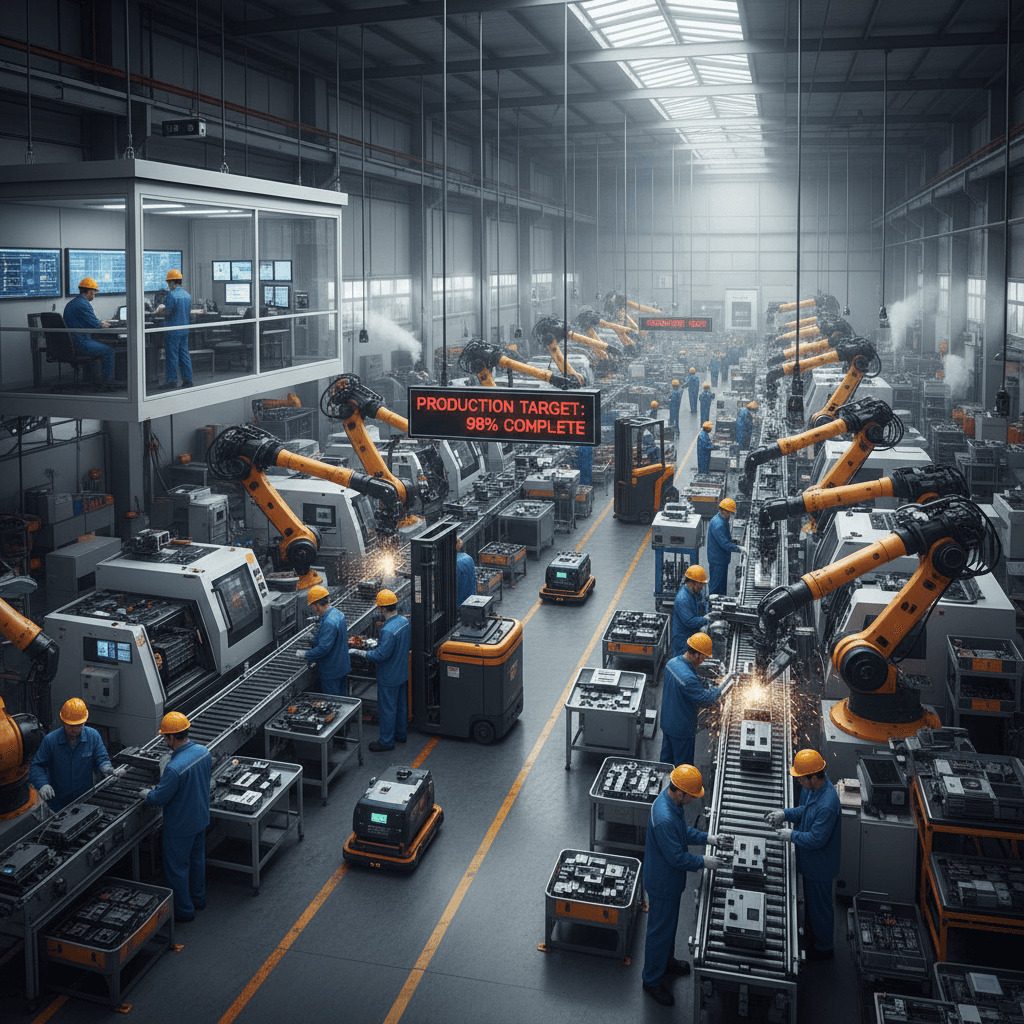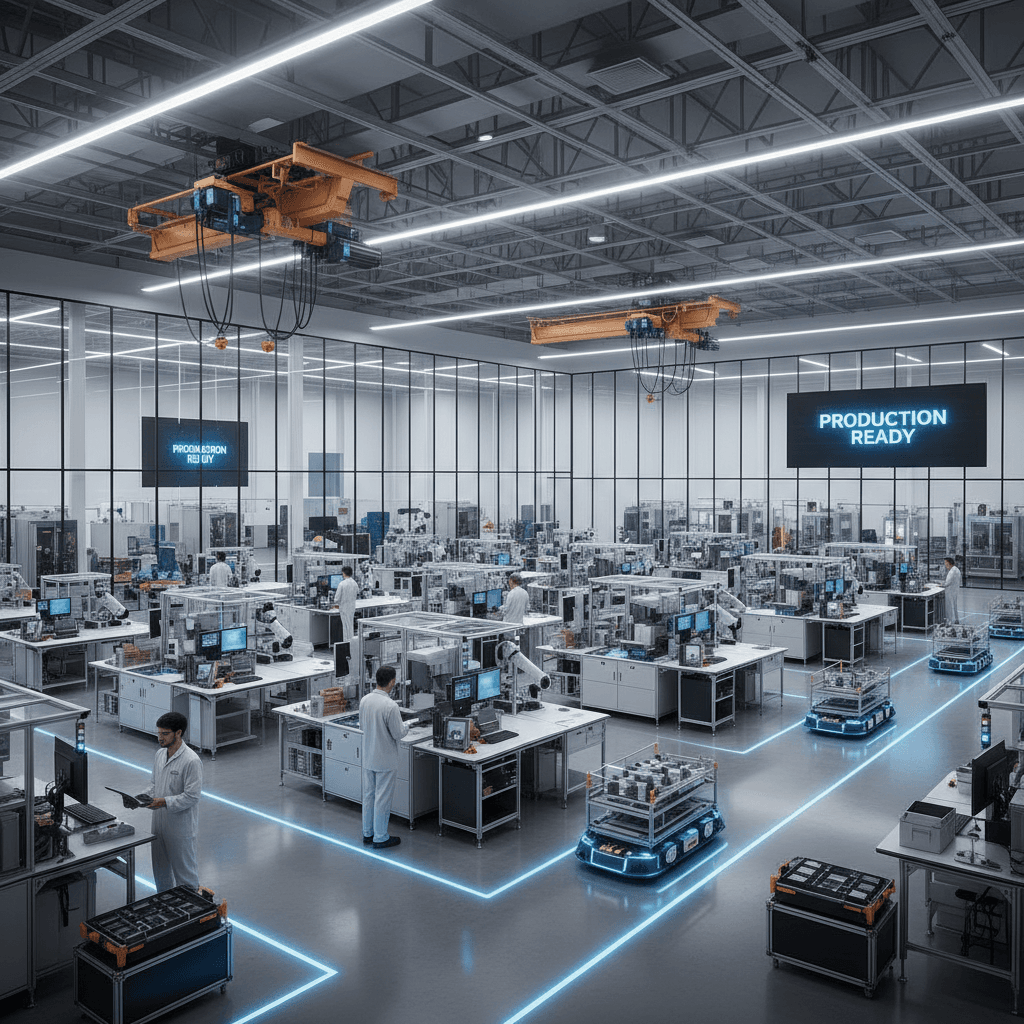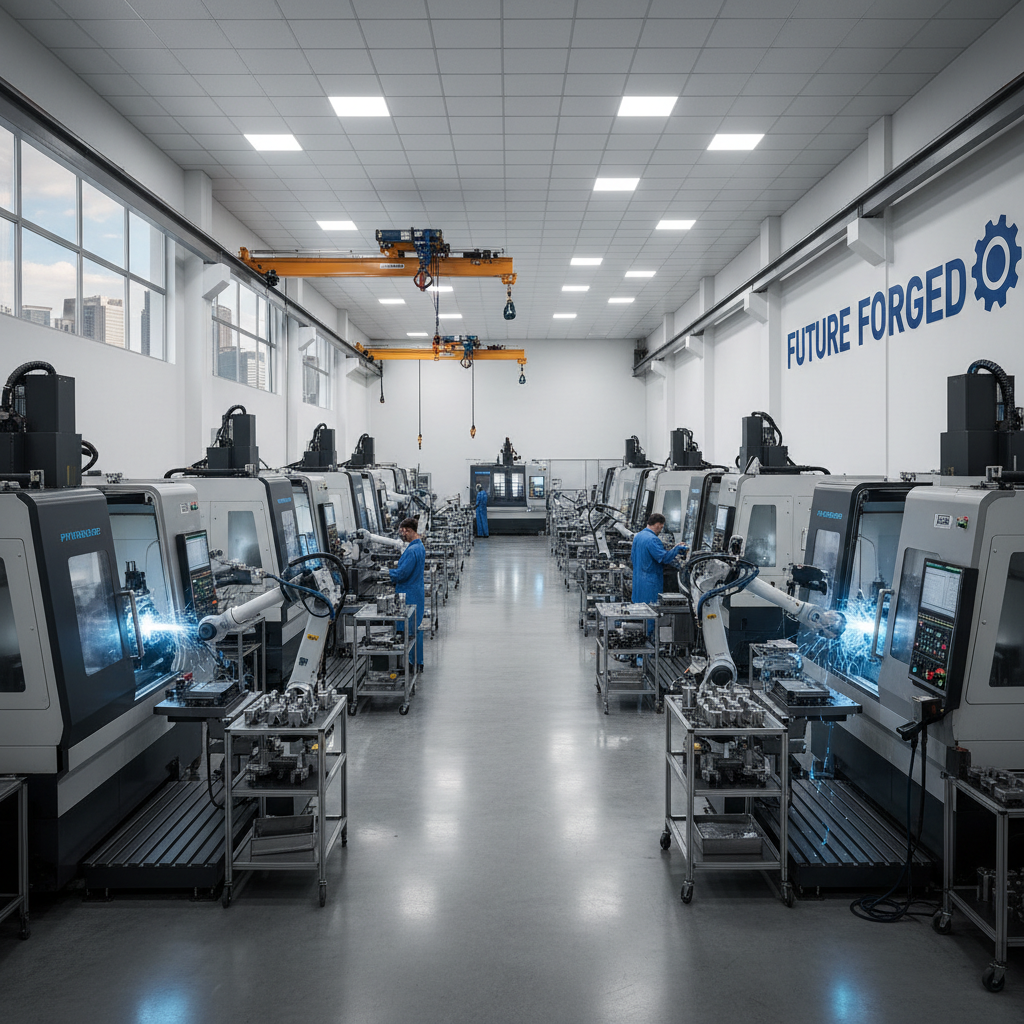
OEMs mitigate contract manufacturing supply chain risk by diversifying supplier bases, adopting smart technologies like AI, and prioritizing domestic partnerships for enhanced visibility. These strategies focus on early manufacturer involvement and total cost of ownership to ensure long-term operational resilience and shorter lead times through 2026.
Original equipment manufacturers are currently facing a landscape where geopolitical instability and logistics volatility can derail production schedules in an instant. Relying on contract manufacturing partners without a robust risk management framework leaves your bottom line exposed to variables far beyond your control. As we move toward 2026, the cost of supply chain failure is becoming too high to ignore; resilience must be built into the foundation of your procurement strategy. This guide details the practical steps required to safeguard your production, ranging from the strategic benefits of domestic reshoring to the Four Pillars of Supply Chain Resilience. We will explore how Early Manufacturer Involvement, or EMI, reduces technical friction while shifting the focus from unit price to Total Cost of Ownership. You will gain a clear, expert perspective on diversifying your supply chain to ensure long term operational stability.
The New Reality of Contract Manufacturing Supply Chain Risk
In the current industrial landscape, contract manufacturing supply chain risk has evolved from a logistical inconvenience into a fundamental threat to business continuity. Original Equipment Manufacturers (OEMs) can no longer view risk through the narrow lens of missing components or late shipments. The scope has expanded to include volatile geopolitical landscapes, unpredictable ocean freight costs, and the increasing vulnerability of intellectual property in foreign jurisdictions. A single disruption in a transpacific shipping lane can now erase the thin margin gains previously achieved through low cost offshore labor.
Partnering with a domestic provider like Duchesne Manufacturing changes the equation. By utilizing about our Duchesne facility, OEMs gain a critical buffer against global volatility. Proximity eliminates the transparency gaps common in long-tail supply chains, allowing for direct oversight and immediate course correction when market conditions shift.
Strategic contract manufacturing services must be viewed as a comprehensive risk management tool rather than a mere cost saving measure. The goal for industrial leaders is building a stable, accountable production base that protects both the physical product and the brand reputation from external shocks. In this new reality, resilience is not just an operational goal; it is a competitive requirement.
Manufacturing Industry Outlook: Why 2026 Demands Greater Resilience
The manufacturing landscape is approaching a critical inflection point. By 2026, the global contract manufacturing market is projected to exceed $270 billion, driven by a fundamental shift in how OEMs balance production speed with operational security. This growth is accompanied by the rapid adoption of 'smart manufacturing' protocols, which have transitioned from experimental pilots to baseline industry requirements. For an OEM, selecting a partner who still relies on manual oversight is becoming a primary source of contract manufacturing supply chain risk.
Technological resilience in 2026 is defined by two major pillars: agentic AI and advanced CNC monitoring. Agentic AI moves beyond simple data analysis, acting as an autonomous layer that can optimize production schedules and identify material shortages before they trigger a work stoppage. When paired with high-frequency CNC monitoring systems that track spindle health and tool wear in real time, these technologies allow manufacturers to shift from reactive repairs to predictive maintenance. This shift is vital for maintaining production continuity, especially when dealing with high-volume orders that cannot afford even a few hours of downtime.
Duchesne Manufacturing remains at the forefront of this transition by integrating these advanced systems within our about our Duchesne facility. By utilizing data-driven insights to manage equipment health and labor allocation, we provide our clients with a level of predictability that traditional shops cannot match. This technical integration ensures that our contract manufacturing services deliver more than just physical parts; they provide the data transparency necessary to safeguard an OEM's entire supply chain against unexpected internal disruptions.
Domestic Reshoring as a Primary Risk Mitigation Strategy
While advanced technology secures the production floor, the geographic origin of that production remains the most significant variable in calculating contract manufacturing supply chain risk. Long tail offshore supply chains introduce variables that no amount of software can fully mitigate, including maritime disruptions, port congestion, and unpredictable customs delays. Transitioning to a domestic partnership replaces these variables with domestic accountability. When production occurs at about our Duchesne facility, the proximity fundamentally changes the relationship between the OEM and the shop floor.
Distance in international manufacturing often functions as a shield for poor quality or missed deadlines. Domestic proximity, however, facilitates a level of visibility that is impossible to replicate across time zones. For an OEM, reshoring supply chains to a partner in Duchesne, Utah, enables real-time quality audits and immediate site visits. If a production bottleneck occurs or a specification needs adjustment, stakeholders can be on site within hours or a single day. This access ensures that quality standards are not just promised in a contract but verified in person.
Risk Factor | Offshore Manufacturing | Domestic (Duchesne) |
|---|---|---|
Lead Times | 8 to 16 weeks | 2 to 4 weeks |
Quality Oversight | Remote/Third-party | Direct/Real-time |
Logistics Cost | High volatility (Ocean/Air) | Stable (Ground) |
Intellectual Property | Higher vulnerability | US Legal Protections |
The acceleration of domestic contract manufacturing services is largely driven by a clearer understanding of hidden costs. Beyond the initial unit price, international logistics, fluctuating tariffs, and the cost of capital tied up in transoceanic transit create a heavy financial drag. A domestic partner provides a predictable cost structure that is immune to foreign policy shifts and ocean freight volatility. By shortening the physical distance between the raw material and the finished product, OEMs effectively eliminate the most volatile links in their supply chain.
The Four Pillars of Supply Chain Resilience for OEMs
To effectively mitigate contract manufacturing supply chain risk, OEMs must move beyond geographic relocation and adopt a structural framework for resilience. This framework rests on four essential pillars: Visibility, Agility, Redundancy, and Collaboration. These pillars transform a supply chain from a rigid sequence into a dynamic, responsive system capable of weathering market shocks.
Pillar | Definition | Implementation Strategy |
|---|---|---|
Visibility | Total transparency regarding part status and material location. | Real-time production tracking and digital inventory logs. |
Agility | The capacity to rapidly scale or pivot production volumes. | Flexible shop floor scheduling and modular labor allocation. |
Redundancy | Established backup channels for critical raw materials. | Diverse material vendor relationships and local safety stock. |
Collaboration | Open communication channels between the OEM and the shop. | Direct access to engineers and joint production planning. |
At about our Duchesne facility, we operationalize these pillars through transparent communication and high-frequency reporting. We facilitate agility by maintaining scalable labor and equipment reserves, allowing clients to ramp up production without the typical bottlenecks found in rigid, over-leveraged shops. By integrating contract manufacturing services with proactive material sourcing strategies, we ensure that redundancy is built into the bill of materials from day one. To discuss how these pillars apply to your specific project requirements, you can contact our engineering team for a detailed production assessment.
Reducing Risk through Early Manufacturer Involvement (EMI)

Building on the pillar of collaboration, true resilience is established long before the first production run begins. Early Manufacturer Involvement (EMI) shifts the contract manufacturer from a vendor to a strategic consultant, identifying supply chain bottlenecks during the design and prototyping phases. When a manufacturer reviews blueprints early, they can identify single point of failure components that might be technically sound but logistically fragile.
Design for Manufacturability (DFM) serves as a primary risk reduction tool in this context. Through DFM, our team at about our Duchesne facility analyzes blueprints to ensure that parts are not only optimized for production speed but also for material availability. If a design specifies a specialty component with high geopolitical risk or volatile lead times, we suggest material substitutions or standardized alternatives that maintain performance while securing the supply chain.
This proactive approach results in a resilient Bill of Materials (BOM). By finalizing a BOM that prioritizes readily available domestic inputs, OEMs avoid the reactive crisis management that occurs when a critical part suddenly becomes unavailable. Utilizing contract manufacturing services at the design stage ensures that your production schedule is protected by foresight rather than just luck. To initiate a DFM review for your next project, you can contact our engineering team for a comprehensive feasibility assessment.
Diversification and the 5 Cs of Supply Chain Management

Moving beyond design phase collaboration, OEMs must evaluate the structural stability of their partners using the 5 Cs of supply chain management: Capacity, Capital, Cost, Compliance, and Character. In the context of 2026, Capacity and Compliance have emerged as the primary filters for assessing contract manufacturing supply chain risk.
Capacity refers to the literal physical and human bandwidth available to absorb demand spikes. A partner lacking scalable labor or under-utilized machinery leaves an OEM vulnerable to stockouts when market orders surge. At about our Duchesne facility, we maintain a strategic reserve of floor space and equipment capacity. This infrastructure, supported by a scalable regional labor force, allows us to transition from low volume prototyping to high volume production without the typical delays associated with smaller, maxed-out shops.
Compliance has expanded beyond traditional quality standards to include digital fortifications. As industrial espionage and ransomware target the mid-tier supply chain, a manufacturer’s cybersecurity posture is now as critical as their physical tolerances. Selecting contract manufacturing services that adhere to modern security protocols and rigorous quality audits protects both your physical product and your proprietary digital assets. This dual focus on physical and digital compliance is essential for maintaining a secure, uninterrupted production line.
C of Management | Risk Mitigation Impact |
|---|---|
Capacity | Prevents stockouts during rapid demand spikes through scalable labor. |
Compliance | Ensures physical quality and protects IP through cybersecurity protocols. |
Capital | Provides financial stability to weather material cost fluctuations. |
Cost | Focuses on risk-adjusted ROI rather than just low unit price. |
Character | Establishes a foundation of transparency and ethical manufacturing. |
By auditing a partner through these lenses, OEMs ensure their manufacturing base is prepared for the volatility of the coming years. To learn more about our specific compliance certifications and shop capacity, you can contact our engineering team for a facility overview.
Optimizing Total Cost of Ownership (TCO) Over Unit Price
Focusing exclusively on the unit sticker price is a common trap that obscures the true financial impact of contract manufacturing supply chain risk. While offshore manufacturers may present lower initial quotes, those figures rarely account for the risk-adjusted cost of long-distance production. Expenses such as transoceanic shipping, port congestion surcharges, and the high cost of carrying excess inventory to buffer against delays frequently erase any perceived savings.
Calculating the Total Cost of Ownership (TCO) allows OEMs to recognize the hidden liabilities of international logistics. At about our Duchesne facility, we provide a more stable financial model by reducing these external variables. By utilizing domestic contract manufacturing services, OEMs minimize capital tie-up and avoid the steep costs of rework or replacement shipments often required when quality issues are discovered thousands of miles away. A reliable partnership in Utah offers predictable pricing and logistical speed, ensuring that the final cost of the product remains aligned with original budget projections. To see how a domestic cost structure benefits your specific production run, you can contact our engineering team for a comprehensive TCO analysis.
Navigating the evolving landscape of supply chain risk in 2026 requires a proactive strategy rooted in transparency and technological agility. By focusing on strong partnerships and diversified sourcing, OEMs can protect their production lines from future disruptions. If you are looking for expert help to implement these strategic safeguards, finding a dedicated manufacturing partner is a vital next step. You can learn more about Duchesne Manufacturing to see how we help organizations maintain operational stability. We are ready to assist you in building a more resilient future.