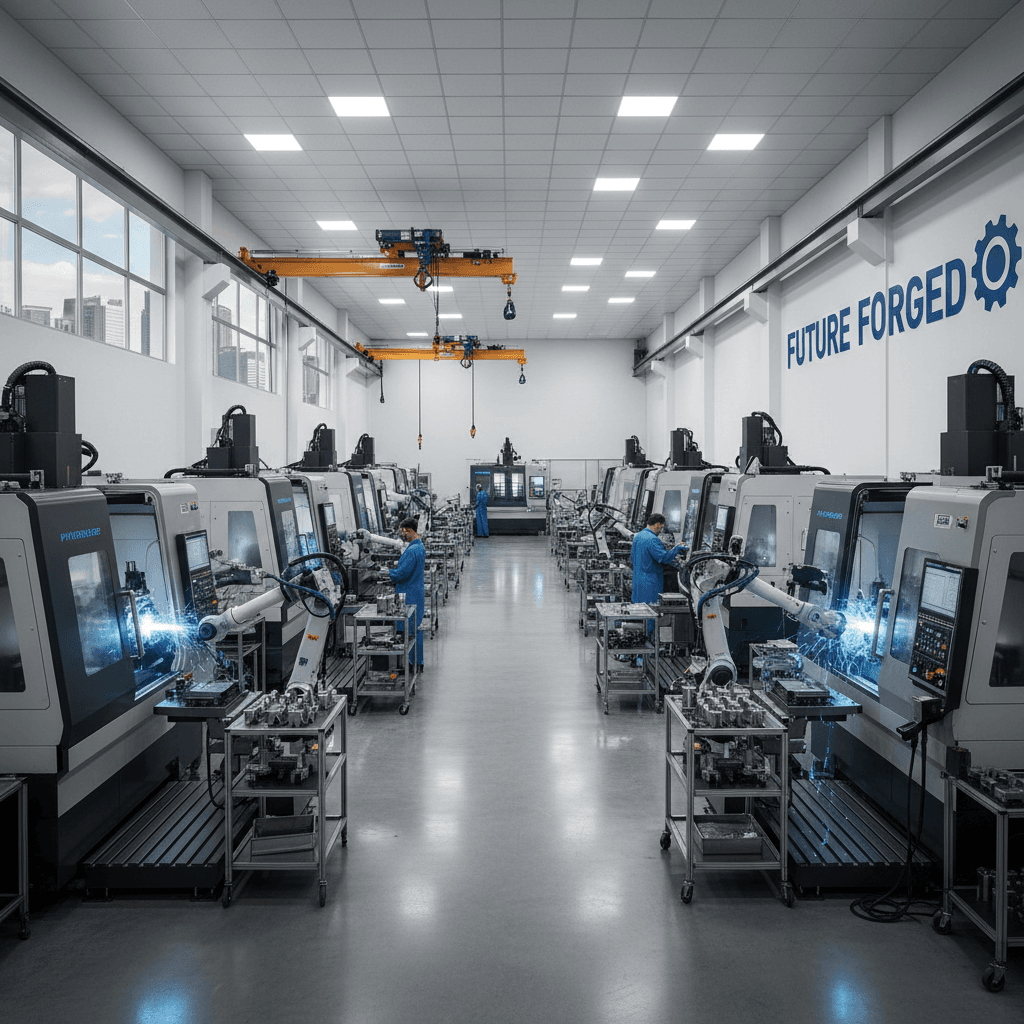
Effective material selection contract manufacturing involves aligning technical specifications with supplier capabilities to balance cost, performance, and supply chain reliability. By focusing on strategic direct materials sourcing during the design phase, OEMs can reduce production lead times and avoid costly manufacturing bottlenecks.
Selecting the wrong material for a complex project is more than just a technical oversight; it is a financial risk that can derail an entire production cycle. For many OEMs, the gap between a design that works in CAD and a part that performs in the field is bridged by material science. If your chosen alloy or polymer is difficult to source or prone to warping during machining, your margins will suffer. This guide provides a strategic framework for navigating these critical decisions. We will break down the primary classes of engineering materials, discuss the logistical advantages of US-based sourcing, and explain why early collaboration with your contract manufacturer prevents costly revisions. By the end of this article, you will have a clear template for selecting materials that optimize both performance and profitability.
The Strategic Importance of Material Selection for OEMs
Material selection serves as the technical foundation for the relationship between an Original Equipment Manufacturer (OEM) and a contract manufacturer. It is the point where theoretical design meets the practical realities of the shop floor. While selecting a material for a one-off prototype often prioritizes immediate availability or ease of desktop fabrication, selecting for scale at a facility like Duchesne Manufacturing requires a different lens. High-volume production demands materials that balance functional performance with machining efficiency and supply chain stability.
Strategic decisions made during the initial phases dictate long-term project viability. The chosen substrate directly impacts unit costs, tooling longevity, and lead times. A material that is difficult to source or challenging to machine will inevitably inflate labor costs and extend production windows. Furthermore, inappropriate material choices are a leading cause of product failure in the field; this makes the selection phase a critical risk management step.
Successful material selection contract manufacturing outcomes rely on a collaborative feedback loop. It is not a siloed task for the engineering team. Instead, it requires early input from the production floor to ensure Design for Manufacturability in Contract Manufacturing standards are met. By aligning design specifications with our internal facility capabilities, OEMs can avoid the bottlenecks that occur when a spec sheet looks good on paper but fails under the pressure of scale.
The 5 Main Classes of Engineering Materials in Contract Manufacturing
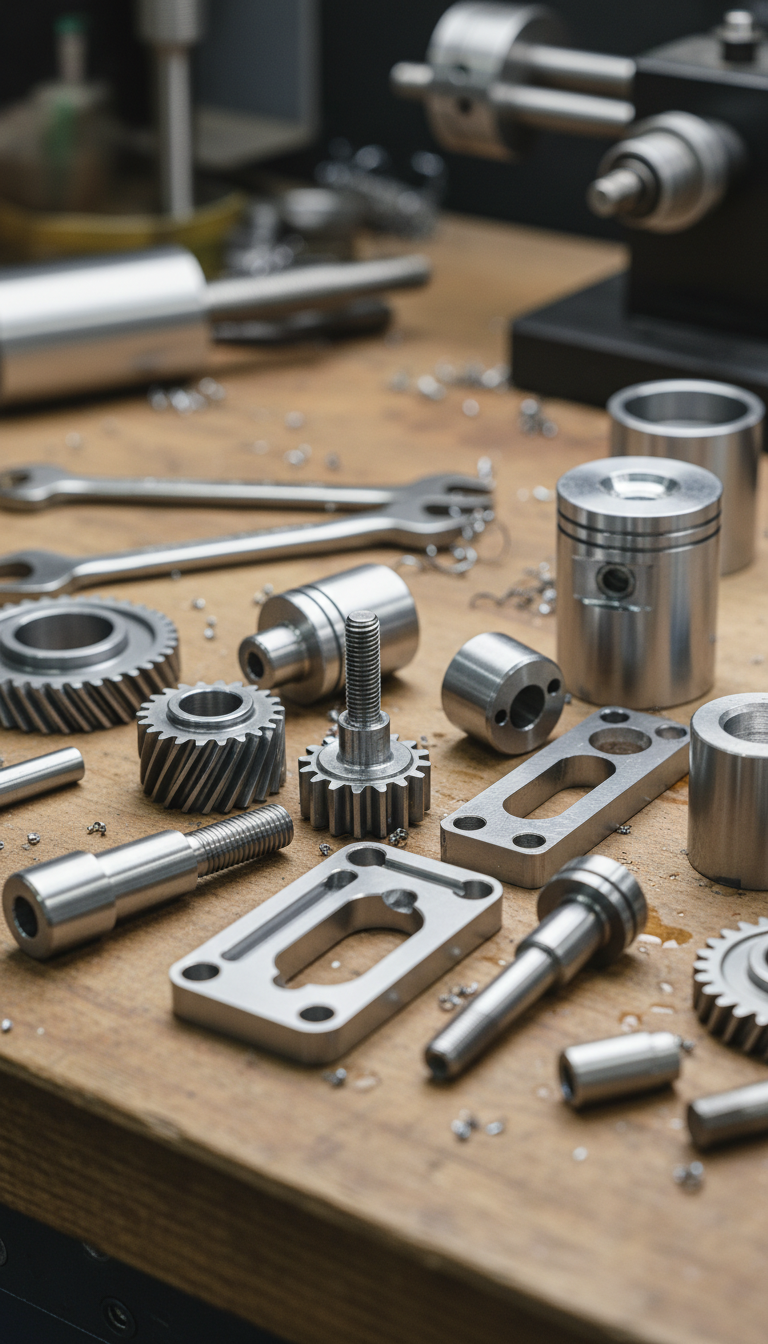
The vast majority of outsourced production projects fall into five distinct categories. Understanding the specific constraints of each class is vital for material selection contract manufacturing success; the physical properties of the raw material dictate the speed, precision, and cost of the entire manufacturing process.
Metals: Aluminum, stainless steel, and various alloys are the primary drivers of industrial production. Aluminum is favored for its strength-to-weight ratio and high machinability, while steel provides superior durability for structural components. In a production environment, metal selection directly influences tool wear and cooling requirements during CNC operations.
Polymers: This category includes thermoplastics like ABS or PEEK and elastomers like silicone. Polymers are essential for complex geometries and lightweight housings. They impact workflows by requiring specialized heat management to avoid warping during machining or assembly; they often utilize snap-fits or ultrasonic welding for efficient joining.
Ceramics: Known for extreme hardness and thermal resistance, ceramics like alumina are used in high-wear or high-heat applications. Because they are brittle, they often require specialized grinding rather than traditional cutting, which increases production time compared to ductile metals.
Composites: Materials such as carbon fiber and fiberglass offer high performance but require unique handling. Machining composites demands specialized diamond-coated tooling to prevent delamination and specific safety protocols for dust management.
Semiconductors: While less common for structural parts, materials like silicon are fundamental for finished products requiring integrated electronics. These necessitate ESD-safe assembly environments and precise handling to protect delicate circuits during the final stages of production.
For most OEMs, metals and polymers represent the bulk of contract manufacturing services. The choice between them often determines if a project uses subtractive manufacturing or molding, each carrying different lead times and initial tooling costs. High-volume assembly is most efficient when material properties are matched to the labor steps involved on the production floor.
Key Factors for OEMs When Selecting Materials
Moving from general material classes to specific project requirements requires a rigorous evaluation framework. When refining material selection contract manufacturing strategies, OEMs must prioritize three core pillars to ensure the final product meets both performance standards and budget constraints.
Mechanical Properties This is the baseline for functional integrity. Engineers must define the required yield strength, fatigue resistance, and weight limits. For instance, a component for a heavy duty industrial tool requires high impact strength, whereas a portable device housing might prioritize a high strength to weight ratio. If the material is too brittle for the application, the product fails; if it is over engineered, the OEM pays for unnecessary performance.
Environmental Resistance Operating conditions dictate longevity. We evaluate how materials respond to UV exposure, extreme temperatures, and corrosive agents. A polymer that performs well in a climate controlled warehouse may degrade rapidly if exposed to Utah’s high desert UV levels or winter road salts. Selecting a material with the correct resistance profile prevents premature field failures and avoids the high costs associated with warranty claims.
Manufacturability This pillar is often overlooked in the design phase but is critical for scaling to $15,000 or more in monthly revenue. Manufacturability refers to how easily a material can be cut, formed, or joined using our facility equipment. A material with high hardness might look impressive on a data sheet, but it can significantly increase cycle times and tool wear on the production floor. Poor Design for Manufacturability in Contract Manufacturing leads to ballooning labor costs and production bottlenecks. Choosing a slightly more expensive raw material that is significantly easier to machine often results in a lower total cost per unit at scale.
Selection Factor | Impact on Scale | Primary Cost Driver |
|---|---|---|
Mechanical | Part Reliability | Scrap and Warranty Costs |
Environmental | Service Life | Base Material Grade |
Manufacturability | Throughput Speed | Labor and Tooling Overhead |
Selecting the right substrate through contract manufacturing services involves balancing these technical requirements against the practicalities of the shop floor to ensure the project remains profitable at volume.
Direct Materials Sourcing and Supply Chain Management
Technical requirements are only half of the equation; the logistical execution of direct materials sourcing determines if a production run stays on schedule. In the material selection contract manufacturing lifecycle, OEMs must decide whether to provide their own raw materials or leverage our established procurement networks. While some OEMs prefer to manage their own vendors to maintain strict control over proprietary inputs, allowing the contract manufacturer to handle sourcing often unlocks volume discounts and streamlined logistics that small to mid-scale businesses cannot access independently.
For operations scaling to $15,000 or more in monthly production, supply chain volatility becomes a significant risk factor. Managing the logistics of sourcing raw materials requires constant monitoring of lead times and quality consistency across batches. By utilizing a US-based partner, OEMs eliminate the three to six week delays commonly associated with trans-Pacific shipping and customs clearance. Local sourcing ensures that raw stock, whether it is medical-grade polymer or structural aluminum, is available exactly when the machines are ready to run. This proximity allows for more agile inventory management and reduces the capital tied up in safety stock needed to buffer against international disruptions. Efficient sourcing through contract manufacturing services ensures that material availability never becomes a bottleneck for scaling production.
How Early Manufacturing Input Helps Avoid Costly Issues

Material selection is a primary lever within Design for Manufacturability in Contract Manufacturing. When an OEM finalizes a design without consulting the production floor, they risk locking in inefficiencies that are difficult to undo once tooling has begun. Early collaboration allows our team in Duchesne to identify potential bottlenecks before they manifest as delays or scrap. By treating the choice of substrate as a manufacturing variable rather than just a design specification, companies can achieve significant cost savings.
Consider a scenario where an OEM specifies a rare, high nickel alloy for a component based on theoretical peak loads. While the material technically exceeds requirements, it may have a lead time of twelve weeks and require specialized, slow-speed machining that drives up labor costs. By involving us early, we might identify a common stainless steel alloy that provides 95 percent of the performance metrics at 50 percent of the total cost. This type of smart engineering reduces the financial burden of production without compromising the end product's utility. Engaging in proactive material selection contract manufacturing discussions ensures that every dollar spent on raw stock contributes directly to performance rather than unnecessary overhead. If you are starting a new project, you can contact our team to review your specifications for production readiness.
A Material Selection Template for Your Next Project
To convert these strategic insights into actionable production schedules, OEMs should follow a standardized material selection contract manufacturing template. This systematic approach ensures that technical requirements align with the facility’s capabilities before resources are committed.
Define Functional Requirements: Document the load-bearing demands, rigidity, and desired weight. Differentiating between "must-have" and "nice-to-have" mechanical properties prevents over-engineering.
Identify Environmental Constraints: List every exposure risk, including extreme temperatures, UV radiation, or abrasive particulates. These factors dictate the necessary protective coatings or base material grades.
Determine Target Price Point per Unit: Establish a budget that accounts for both raw stock and the labor required to process it. This step is vital for projects scaling toward $15,000 in monthly production, where small savings per unit impact overall profitability.
Consult with the Production Team in Duchesne, UT: Verify that your selected material is compatible with our facility equipment and local supply chains. We can often suggest alternatives that improve Design for Manufacturability in Contract Manufacturing.
Finalize Specifications: Lock in the precise grade, finish, and tolerances before starting the first production run.
If you are moving from a prototype to a full production run, you can contact our team to validate your template against our current inventory and machining workflows. This structured approach ensures that contract manufacturing services are executed efficiently, keeping your project on schedule and within budget.
The Advantage of US-Based Production in Duchesne, Utah
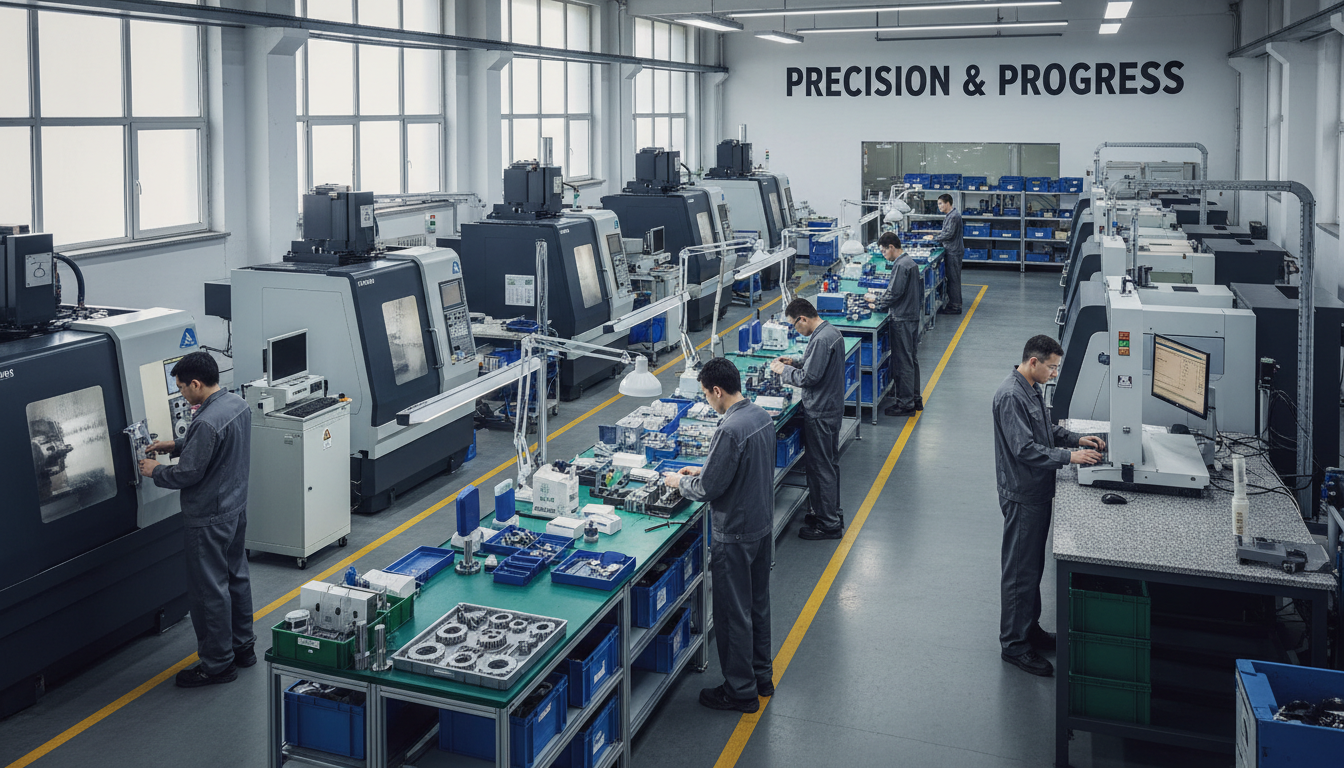
Operating out of our facility in Duchesne, Utah, provides a distinct logistical edge for material selection contract manufacturing. We maintain full control over the production lifecycle by utilizing our own machinery and a dedicated local workforce. This vertical integration eliminates the communication gaps and quality variations often found when production is brokered to secondary vendors. Partnering with a domestic facility ensures that all raw materials strictly adhere to US industrial standards, which prevents the entry of sub-standard alloys or polymers into your supply chain while supporting consistent Design for Manufacturability in Contract Manufacturing.
Proximity to the shop floor remains a primary advantage for OEMs. Having a production partner in Utah allows for rapid material testing and hands-on quality control inspections that are impossible to conduct remotely. When a project scales to significant monthly volumes, the ability to physically verify a production run or adjust a material spec in real-time prevents costly delays. Our localized approach to contract manufacturing services transforms the supply chain from a liability into a competitive asset. If you are preparing for high-volume production, contact our team to tour our facility and discuss your technical specifications.