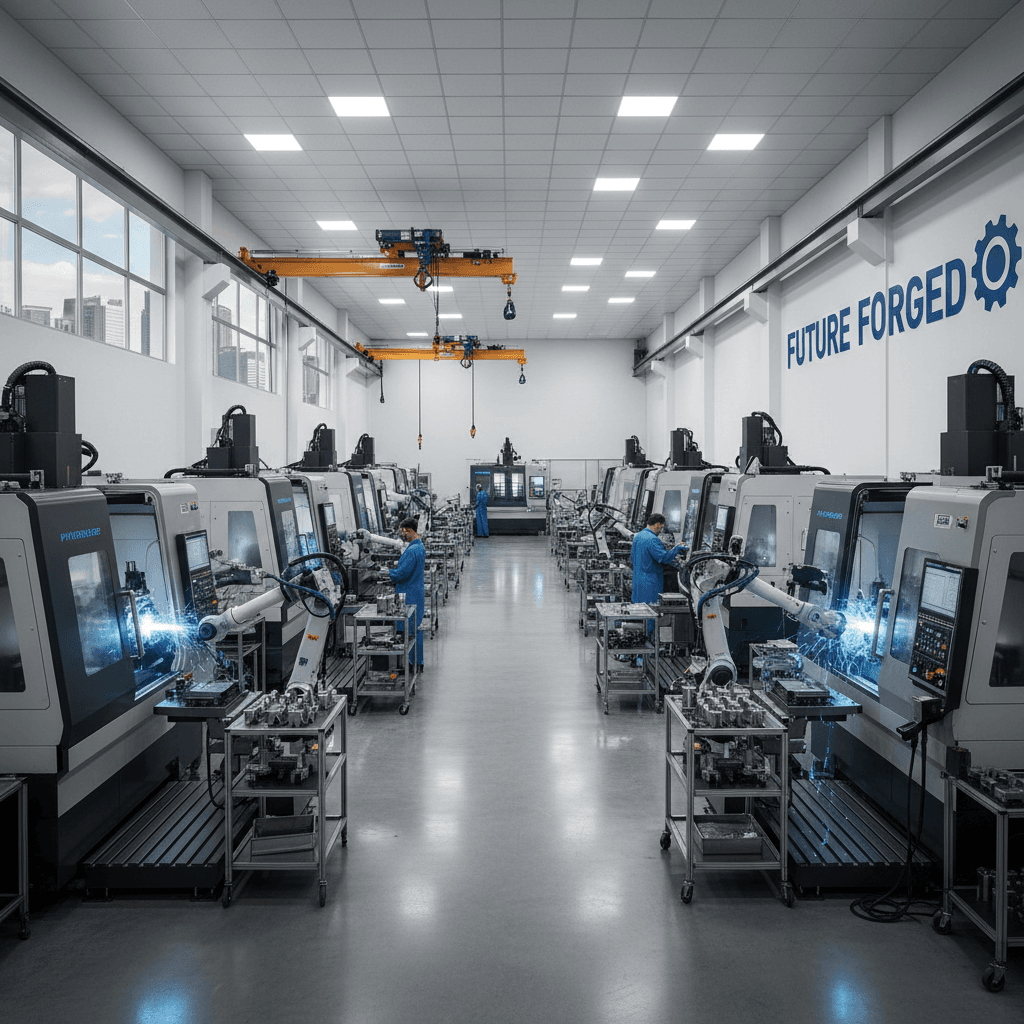
Design for manufacturability contract manufacturing reduces overall production costs by streamlining part designs and material selection for efficient large scale fabrication. This engineering approach identifies potential assembly issues early in the process; it ultimately improves product quality while shortening time to market.
Transforming a brilliant engineering concept into a scalable, cost-effective reality is often where original equipment manufacturers encounter their most expensive hurdles. It is a common frustration to finalize a design only to find that intricate geometries or specialized material requirements lead to excessive lead times and inflated production costs. These inefficiencies typically stem from a gap between theoretical design and the practical realities of the shop floor. By prioritizing Design for Manufacturability, or DFM, you can bridge this gap through smart engineering choices that streamline every stage of production. This article explores the core principles of DFM, highlights how strategic design choices directly reduce contract manufacturing overhead, and identifies common mistakes to avoid. We will also examine the unique advantages of local DFM collaboration to ensure your next project is optimized for both performance and profitability.
Understanding DFM: The Bridge Between Concept and Profitable Production
In the world of professional contract manufacturing services, Design for Manufacturability (DFM) is the technical discipline of optimizing a product’s design for its specific production environment. Rather than viewing engineering and production as separate silos, DFM treats them as a single, integrated workflow. It is the proactive process of refining part geometry, material selection, and tolerances to ensure that a component is not just possible to build, but efficient to produce.
For many OEMs, the traditional "design first, figure out how to build it later" approach creates a bottleneck at the shop floor. A design that is theoretically sound in a CAD environment might require specialized tooling or excessive machine setups that drive up unit costs. Collaborative design for manufacturability contract manufacturing replaces this friction with foresight. By analyzing how a part will interact with specific CNC mills or assembly stations early on, engineers can avoid the hidden costs of manufacturing such as high scrap rates and unnecessary manual labor.
At our Duchesne facility, we see DFM as the bridge that transforms a prototype into a commercially viable product at scale. It ensures that when you request a DFM review, the final output meets your specifications without compromising your bottom line.
The Core Principles of Design for Manufacturability
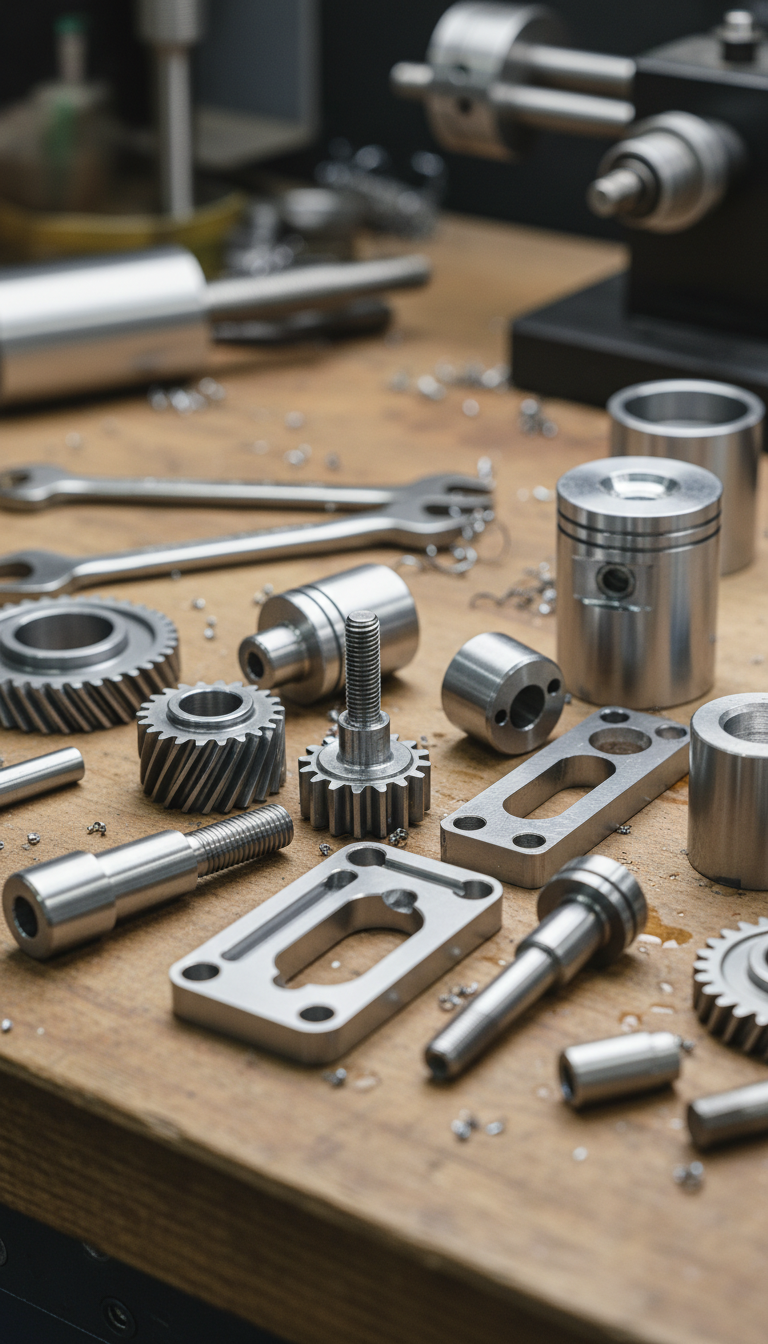
To move from a conceptual prototype to a profitable production run, engineers must adhere to five fundamental pillars of design for manufacturability contract manufacturing. These principles serve as a technical framework to ensure every design choice translates into efficient shop floor activity at about our Duchesne facility.
Process Selection: The chosen manufacturing method must align with the part’s geometry and production volume. For example, a component designed for CNC machining requires different considerations than one intended for sheet metal fabrication. Selecting the process early prevents expensive redesigns when the project scales from low-volume prototyping to high-volume production.
Design Geometry: Simplification is the most effective way to reduce cycle times. Complex geometries often require specialized tooling or multiple machine setups, which increase labor costs. A practical example is the specification of internal corners. Designing a sharp-angled pocket often necessitates a secondary operation or extremely small, fragile end mills. By choosing a standard radius for a milled corner, a machinist can use larger tools at higher feed rates, saving significant hours of machine time across a batch.
Material Standardization: Optimizing material choice involves more than just strength requirements. It requires selecting standard stock sizes to minimize scrap and choosing alloys with high machinability or formability ratings. Utilizing readily available materials also protects the project from the volatility of specialized supply chains.
Environmental Factors: Every design must account for its end-use environment, including temperature fluctuations, pressure, and exposure to corrosive elements. DFM ensures that the chosen materials and tolerances can withstand these conditions without requiring unnecessary, over-engineered features that add no functional value.
Compliance and Testing: Production designs must incorporate features that facilitate easy inspection and testing. This includes designing for access points or alignment features that allow quality control teams to verify dimensions quickly and accurately.
Underpinning all these pillars is the management of tolerances. Specifying a tolerance of ±.001 when ±.005 is sufficient for the application creates an exponential increase in cost. Precision requires more frequent tool changes, slower feed rates, and higher scrap rates. When you request a DFM review, our team evaluates these tolerances to ensure they are realistic and cost-effective for your specific application.
How Smart Design Directly Reduces Contract Manufacturing Costs
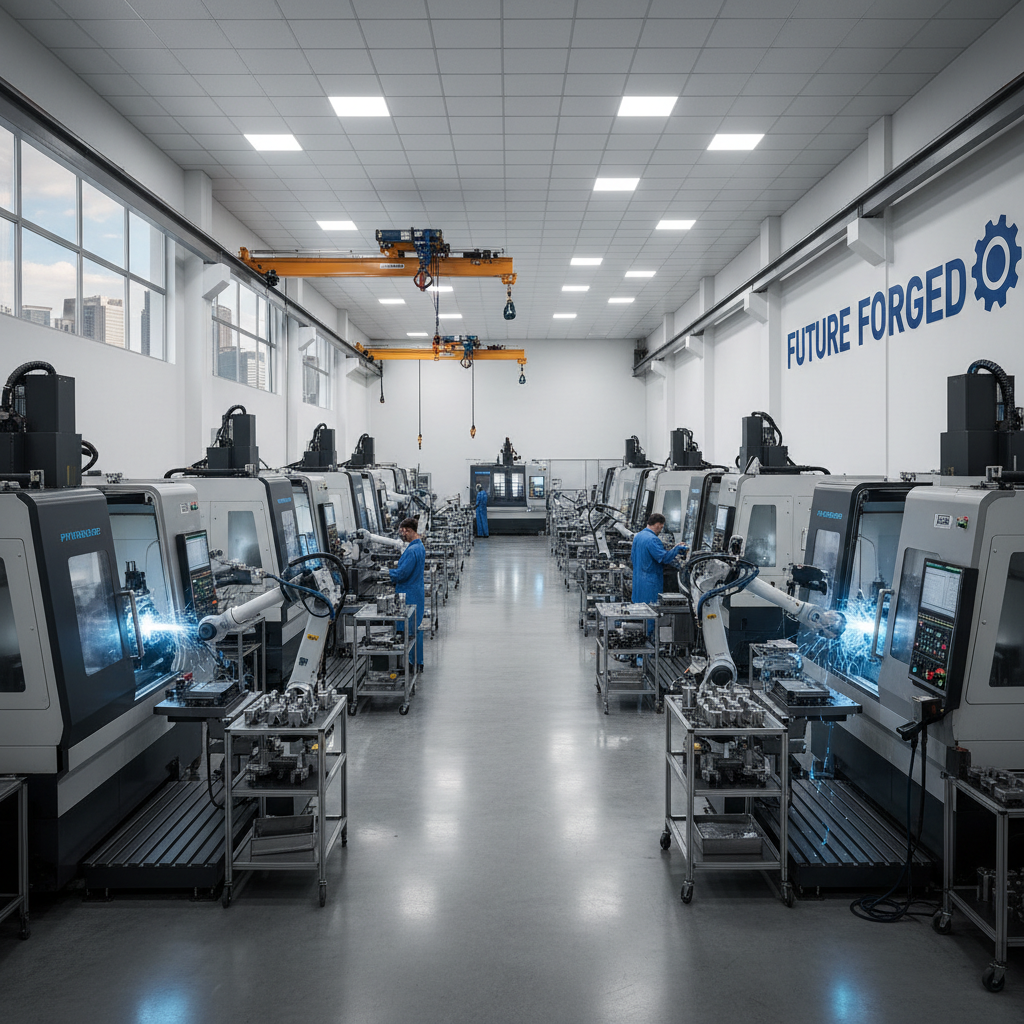
Applying these principles translates directly into lower unit costs and higher throughput. When evaluating contract manufacturing services, the most significant savings often come from labor reduction through Design for Assembly (DFA). DFA, a critical subset of DFM, focuses on minimizing the total number of parts and simplifying the assembly sequence. By eliminating unnecessary fasteners or designing parts that only fit together in the correct orientation, you reduce the time technicians spend at an assembly station; this lowers the direct labor cost per unit.
Beyond labor, smart design improves material yield and equipment health. In sheet metal fabrication, small adjustments to part dimensions allow for tighter nesting on a standard sheet, which significantly increases the number of parts produced per raw material unit and reduces scrap. Similarly, selecting geometries that allow for standard cutting paths extends tool longevity. Frequent tool breakages or premature wear from aggressive geometries add to the piece price; however, DFM ensures machines at about our Duchesne facility run at peak efficiency without unnecessary downtime.
Many OEMs ask, "How can contract manufacturing lead to lower costs?" The answer lies in professional design oversight. By opting to request a DFM review before the first production run, you eliminate "hidden costs" like high scrap rates, specialized tooling purchases, and the technical debt of post-production rework. This proactive approach to design for manufacturability contract manufacturing ensures that capital is spent on high-quality output rather than correcting avoidable engineering oversights. This technical foresight is what makes scaled production commercially viable.
Common DFM Mistakes OEMs Make Before Sending Designs to the Shop Floor
Identifying common design pitfalls early allows for a more collaborative and efficient relationship between the design team and the shop floor at about our Duchesne facility. Avoiding these mistakes ensures that the transition from a CAD model to a physical part is seamless and cost-effective.
One of the most frequent errors is over-tolerancing. Specifying a precision of ±.0005 inches for a non-critical clearance hole forces machinists to use slower feed rates, more frequent tool offsets, and specialized inspection equipment. This drives up the price per unit without adding functional value. The table below illustrates how tighter tolerances impact the production environment.
Tolerance Category | Operational Requirements | Relative Cost Impact |
|---|---|---|
Standard (±.005") | High-speed milling; standard inspection tools. | Baseline |
Precision (±.001") | Slower cycles; frequent tool wear monitoring. | 1.5x - 2x |
Ultra-Precision (<±.0005") | Grinding or honing; climate-controlled QC. | 3x - 5x |
Material selection is another area where OEMs often encounter friction. Selecting a specialized alloy based on theoretical performance without checking local lead times can stall a project for weeks. Furthermore, neglecting machinability ratings, such as choosing a difficult to cut stainless steel when a free-machining variant would suffice, increases cycle times and tool breakage rates. When you request a DFM review, our team evaluates if a more accessible or easier to machine material can achieve the same engineering goals.
Geometric constraints also play a major role. Engineers may design deep, narrow pockets or internal undercuts that no standard end mill can reach without excessive chatter or tool deflection. Similarly, disregarding assembly ergonomics can lead to parts that are easy to machine but impossible to build. A common example is placing a bolt so close to a vertical wall that a standard socket wrench cannot gain purchase. Addressing these access issues during the design phase is a hallmark of professional design for manufacturability contract manufacturing. By treating the shop floor as a partner rather than just a vendor, engineers can utilize contract manufacturing services to refine these details before they become expensive production bottlenecks.
The Strategic Advantage of Local DFM Collaboration in Utah

Partnering with a facility in the Uinta Basin provides a level of technical agility that overseas alternatives cannot match. When an OEM utilizes design for manufacturability contract manufacturing through a local partner, they move away from the "toss it over the wall" mentality often found in offshore production. In distant outsourcing models, a minor design flaw might not be discovered until a full container of parts arrives, leading to catastrophic delays and wasted capital. At about our Duchesne facility, we provide a collaborative environment where engineers and machinists can review blueprints together at a workbench. This real-time feedback allows us to catch a tool clearance issue or a difficult setup before the first chip is cut.
Furthermore, local collaboration streamlines the transition from CAD to physical reality. US-based logistics mean that rapid prototyping iterations take days rather than weeks, keeping development cycles tight and predictable. When you request a DFM review at Duchesne Manufacturing, you gain access to a team that understands the nuances of domestic material sourcing and regional lead times. This proximity ensures that contract manufacturing services remain responsive to design changes; it allows Utah-based companies to scale production without the logistical friction of international borders or massive time zone offsets.
DFM Checklist: Preparing Your Designs for Production at Scale
Before moving your project into full scale production at about our Duchesne facility, run your design through this technical checklist. These points help align your engineering goals with the practical realities of design for manufacturability contract manufacturing.
Category | Critical DFM Question |
|---|---|
Tooling | Can all internal radii be cut with standard end mill sizes to avoid custom tooling costs? |
Materials | Is the specified material available from domestic stock to avoid international lead time volatility? |
Fasteners | Are screws and bolts standardized across the entire assembly to reduce tool changes during assembly? |
Geometry | Have you eliminated deep, narrow pockets that cause tool chatter or require specialized extensions? |
Tolerances | Are tight tolerances limited only to critical interfaces and mating surfaces rather than the entire part? |
Key Action Items for Engineers: - Consolidate Parts: Look for opportunities to combine multiple components into a single machined or fabricated part to reduce assembly time and inventory overhead. - Standardize Radii: Ensure that corner radii are slightly larger than the radius of the cutting tool. This allows the tool to move through corners smoothly without stopping or dwelling. - Verify Access: Confirm there is enough clearance for torque wrenches, assembly fixtures, and inspection probes. - Simplify Finishes: Specify high grade finishes only where functionally necessary; as machined surfaces are the most cost effective options for interior or non-mating components.
Refining these details ensures that contract manufacturing services can be executed with high throughput and minimal waste. If you have questions about specific part features, you should request a DFM review to verify your design against our current shop capabilities.
Smart engineering is the foundation of every successful production run. By prioritizing design for manufacturability early in the process, you can eliminate unnecessary costs and ensure a more reliable final product. While these principles are straightforward, implementing them effectively often requires a deep understanding of modern fabrication techniques. If you want expert help to streamline your production cycle, you can explore our full range of services to see how we can assist. Our team is ready to help you turn complex designs into cost-effective realities.