A successful contract manufacturing partnership relies on open communication, shared quality standards, and strategic alignment to move beyond a purely transactional relationship. Companies achieve success by establishing transparent collaboration channels and vetting partners for long term operational compatibility; this approach ensures that both parties are invested in the final product's quality and market success.
Managing an OEM operation often feels like a constant battle against lead times and quality deviations. When your manufacturer operates as a mere vendor, you are left reacting to production gaps rather than anticipating them. To scale effectively, you must transition from a transactional model to a strategic partnership; this shift ensures your manufacturing arm functions as a true extension of your engineering team. In this guide, we explore how to foster that deeper alignment. We will examine the critical roles of transparent communication, shared inventory forecasting, and collaborative Design for Manufacturability. Furthermore, we will discuss how localized expertise in regions like Utah provides a distinct competitive edge. By the end of this article, you will understand how to unify quality standards and handle process changes with the precision your brand demands.
Moving from Vendor to Partner: Why the Distinction Matters for OEMs
In the industrial landscape, the terms vendor and partner are often used interchangeably, but the distinction between them determines the long-term viability of your supply chain. A vendor relationship is inherently transactional, focusing almost exclusively on unit price and meeting immediate order requirements. While this may suffice for simple, off-the-shelf components, it often fails when producing complex parts or finished products at scale. A true contract manufacturing partnership represents a deliberate shift from a price-focused model to one focused on collaborative growth and shared success.
For many Original Equipment Manufacturers (OEMs), understanding the difference between their role and that of a contract manufacturer is the first step toward a better operational flow. While an OEM owns the intellectual property, brand identity, and end-market strategy, the contract manufacturer provides the physical facility, specialized equipment, and labor required for actual production. A partner bridges the gap between a theoretical design and physical realization by investing in the client's long-term trajectory. This means they are not just order-takers; they are active participants who identify ways to optimize production that a simple vendor might ignore.
This collaborative approach significantly reduces the inherent risks of outsourcing. When a manufacturer acts as a partner, they proactively identify potential points of failure in the production cycle before they become costly errors. By integrating contract manufacturing services early in the development process, OEMs leverage specialized expertise to ensure their products are built to exact specifications without unnecessary friction. At about Duchesne Manufacturing, we focus on this level of integration, ensuring that our technical capabilities in Duchesne, UT, are fully aligned with the strategic goals of our clients.
Establishing Transparent Communication Channels from Day One

Building a successful contract manufacturing partnership requires more than just high-level alignment; it demands a structured communication framework established before the first production run begins. Information silos are a primary cause of missed deadlines and cost overruns. To prevent this, we recommend implementing a formal communication cadence that includes weekly production syncs to address tactical floor progress and quarterly business reviews (QBRs) to evaluate strategic long-term goals and performance metrics.
Effective partnerships also rely on a defined red flag protocol. This system ensures that any supply chain disruptions, such as raw material shortages or logistics delays, are communicated immediately rather than being discovered during a scheduled status update. Efficiency is further improved by designating a single point of contact on both sides of the relationship, which centralizes accountability and streamlines the exchange of technical data.
At Duchesne Manufacturing, we prioritize this level of transparency by providing clients with consistent, data-driven updates from our facility in Duchesne, UT. Our reporting systems ensure that you have clear visibility into every stage of the manufacturing cycle, providing the peace of mind necessary to scale operations. This proactive approach is central to how we deliver contract manufacturing services that exceed standard expectations. If you are ready to move away from transactional vendor models, you can contact our team to discuss how our communication standards support your production requirements.
Shared Forecasting: Managing Production Cycles and Inventory Liabilities
Transparent communication must extend into the logistical and financial realms of inventory management. A frequent point of failure in the production cycle is the bullwhip effect, where small fluctuations in end-user demand create massive, unmanageable swings in manufacturing requirements. To mitigate this volatility, a sophisticated contract manufacturing partnership relies on shared demand forecasts looking at least 6 to 12 months ahead. This long-term visibility allows the manufacturer to stabilize labor and machine time while ensuring the OEM has product when market demand peaks.
Managing inventory liabilities is a specific area where many transactional relationships break down. When contract manufacturing services involve long-lead components, such as specialized resins or custom electronic assemblies, the manufacturer often must procure materials months before the final product is shipped. To prevent financial friction, we recommend a formal Inventory Liability Agreement that clearly defines who owns the cost of raw materials at different stages of the lifecycle.
Agreement Component | Description |
|---|---|
Long-Lead Item Authorization | Explicit permission for the manufacturer to buy materials with lead times exceeding the standard PO window. |
Raw Material Liability | A defined dollar amount or timeframe for which the OEM is responsible if a design changes or a forecast drops. |
E&O (Excess and Obsolete) Review | A monthly or quarterly audit to identify and resolve stagnant inventory before it becomes a major loss. |
By formalizing these terms, you protect the cash flow of both organizations. At about Duchesne Manufacturing, we work with clients to build these frameworks early, ensuring that the transition from forecasting to physical inventory is handled with precision and mutual accountability. If you need to refine your current supply chain strategy, you can contact our team to discuss how shared forecasting can stabilize your production runs.
Leveraging Design for Manufacturability (DFM) as a Collaborative Tool
While forecasting secures the supply chain, Design for Manufacturability (DFM) ensures the product itself is viable for long term production. A productive contract manufacturing partnership treats DFM as a collaborative feedback loop rather than a one time technical hurdle. When a manufacturer reviews your blueprints, they are looking for ways to simplify assembly, reduce material waste, and improve overall yield. This intervention is critical because a design that works in a lab environment may face significant failure rates when moved to a high volume assembly line.
At about Duchesne Manufacturing, our role is to act as a second set of expert eyes during the prototyping phase. We identify potential scaling issues, such as overly tight tolerances that drive up costs without adding functional value or geometries that lead to high scrap rates. A true partner provides the honest feedback a simple vendor might withhold; they will tell you "no" or suggest "try this" if a design element threatens the project's scalability. By utilizing our contract manufacturing services early, you gain access to floor level insights that turn theoretical designs into repeatable, cost effective realities. If you are currently finalizing a new product design, you can contact our team to review how DFM adjustments can optimize your production yield in Duchesne, UT.
Quality Control Alignment: Reducing Risk Through Unified Standards

A common concern for OEMs entering these agreements is the question: Is contract manufacturing risky? The honest answer is that risk exists only where there is a lack of alignment. Without a unified standard, you risk receiving components that meet the manufacturer's internal criteria but fail your own final assembly requirements. Managing this risk requires moving beyond vague quality expectations toward a strictly defined Quality Control (QC) alignment.
This alignment begins by establishing shared Acceptable Quality Levels (AQL). Rather than assuming a general standard, you and your partner must categorize potential defects and agree on the statistically significant sample sizes for inspection. This prevents the friction that occurs when a manufacturer considers a batch "passed" while the OEM deems it "failed."
Defect Category | Definition | Action Required |
|---|---|---|
Critical | Defects that could cause failure or safety issues. | Zero tolerance; 100% inspection or immediate lot rejection. |
Major | Functional defects that reduce usability or reliability. | Rejection based on agreed AQL percentage. |
Minor | Cosmetic imperfections that do not affect performance. | Monitored for trends; typically accepted within loose limits. |
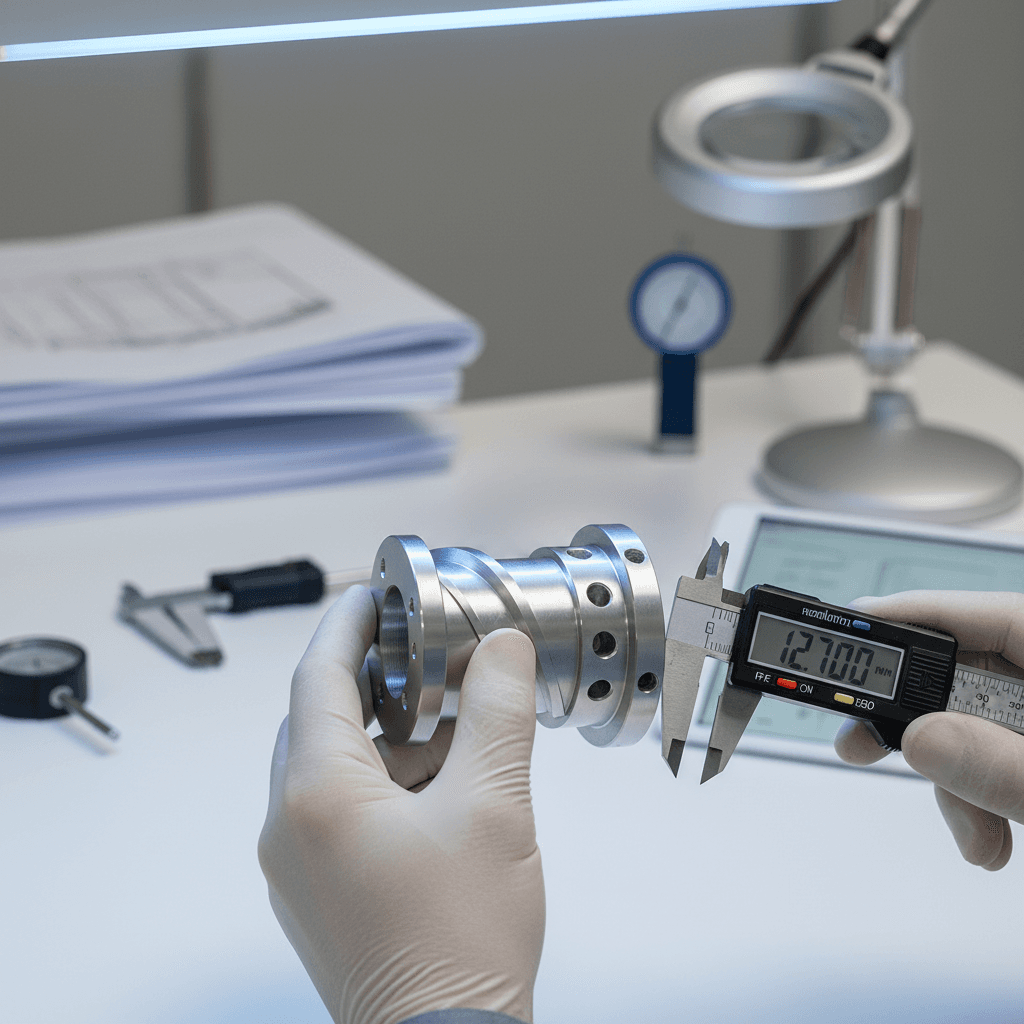
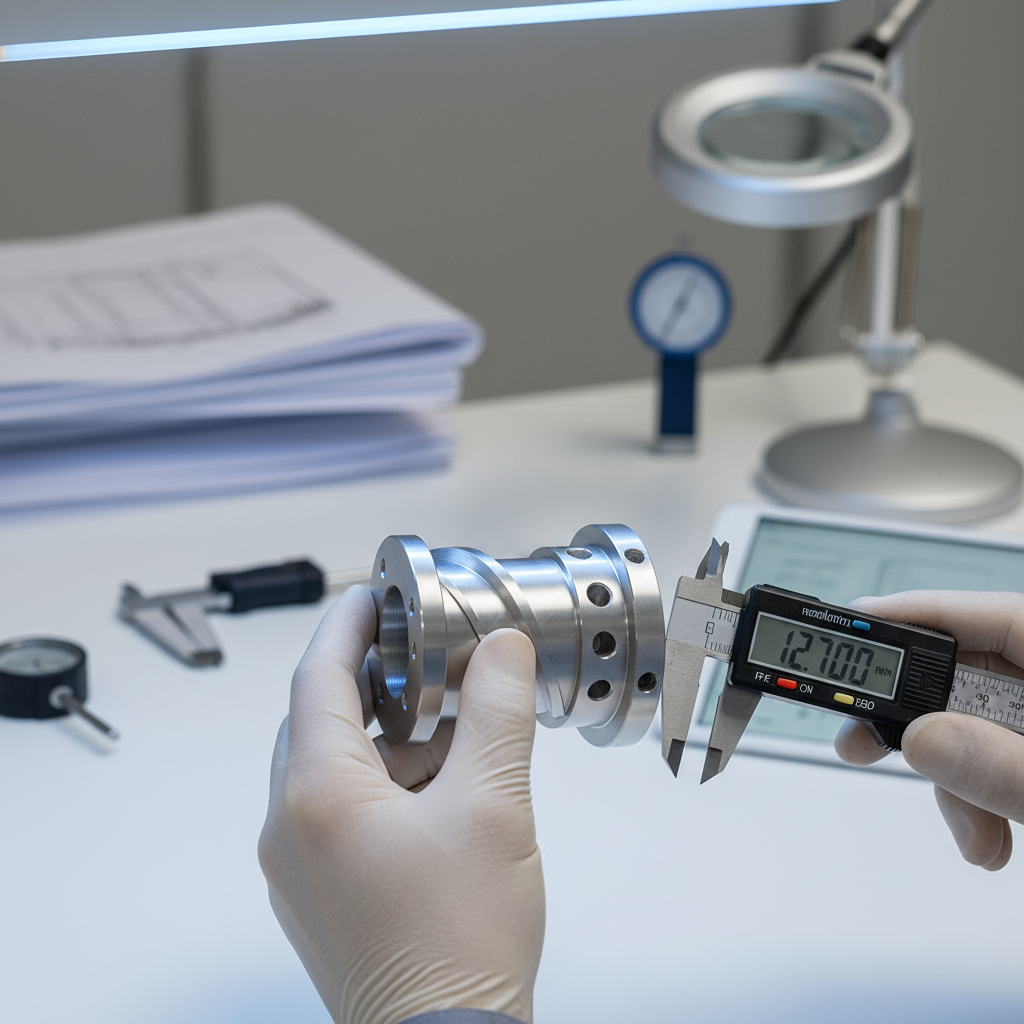
A successful contract manufacturing partnership operates from a single inspection plan, often documented in a shared quality manual. This document ensures that both about Duchesne Manufacturing and our clients are measuring success using the same calipers, gauges, and tolerances. When our team in Duchesne, UT, uses the exact same testing protocols as your internal engineers, the risk of non-conforming parts effectively disappears. If you need to standardize your inspection protocols to ensure repeatable results, you can contact our team to discuss how our contract manufacturing services integrate with your existing quality management systems.
The Advantage of Cultural and Geographic Proximity in Utah
While unified quality standards provide the technical framework for success, the physical and cultural proximity of your partner often determines how quickly you can execute those standards. Choosing a domestic contract manufacturing partnership eliminates the logistical and linguistic friction inherent in overseas sourcing. When your production facility is located in Duchesne, UT, you operate within the same time zones and professional culture, which facilitates immediate problem solving.
The reshoring advantage extends beyond reduced shipping costs; it centers on the ease of collaboration. A local partner understands the nuances of domestic regulatory requirements and shares a common set of industrial expectations. Instead of navigating a twelve hour time difference for a critical production update, you can have a real time conversation that yields immediate results.
Physical accessibility also allows for hands on line audits and face to face brainstorming sessions that are impossible with remote vendors. A visit to our facility in Duchesne provides immediate insight into production flow and technical nuances that a video call cannot replicate. If you want to experience this proximity firsthand, you can contact our team to schedule a site visit or learn more about Duchesne Manufacturing. By utilizing domestic contract manufacturing services, you secure a supply chain that is both responsive and transparent.
Handling Conflict and Process Changes Gracefully
Conflict and process changes are inevitable in high volume production, but they do not have to be disruptive. A mature contract manufacturing partnership relies on a standardized framework for Engineering Change Orders (ECOs) to manage design iterations without losing momentum. This framework must include a formal review process, clear version control, and an impact analysis on current inventory. By documenting every modification in a centralized Source of Truth, both parties ensure that the production floor is always working from the most current specifications.
Price adjustments should be handled with similar transparency. Instead of issuing unexpected invoices, a partner provides data backed explanations for cost shifts, such as fluctuations in raw material markets or labor requirements. When technical challenges arise, the focus shifts from assigning blame to identifying solutions that protect the project timeline and budget. At about Duchesne Manufacturing, we view these moments as opportunities to refine our contract manufacturing services and strengthen the collaborative bond. If you are navigating complex design changes or need to formalize your change management process, you can contact our team to establish a protocol that keeps your production on track in Duchesne, UT.
Ultimately, a successful contract manufacturing partnership thrives on transparent communication, shared objectives, and mutual respect. By moving beyond a simple transactional mindset, you can turn your production process into a powerful strategic advantage. If you want expert help establishing these high-value connections, we are here to support your vision. You can learn more by visiting our About page, where we explain our history and our dedicated approach to prioritizing your unique business goals.