When learning how to choose a contract manufacturer, companies should prioritize a thorough assessment of technical capabilities, equipment, and industry-specific experience. A successful partnership depends on verifying quality management certifications, regulatory compliance, and the expertise of the manufacturing personnel. Businesses must also evaluate the manufacturer's internal processes to ensure they can scale production while maintaining high quality standards.
Selecting the wrong contract manufacturer often leads to delayed lead times, inconsistent quality, and hidden costs that erode your profit margins. Your choice of partner is not just a procurement decision; it is a strategic investment in your brand's integrity and your supply chain's resilience. A misalignment in technical capability or communication can stall your growth and leave your customers dissatisfied. This guide explores how to evaluate technical equipment fit, the necessity of rigorous quality management systems, and the strategic advantages of domestic production. You will also learn how to assess a partner's financial stability and project management style to ensure long term success. We conclude with a comprehensive checklist to streamline your vetting process and secure a partnership that scales with your ambition.
Understanding the Role of a Contract Manufacturing Partner
A contract manufacturing partner functions differently than a standard component supplier. While a supplier provides off-the-shelf parts, a contract manufacturer (CM) operates as a seamless extension of your production line, utilizing their own facility, labor, and equipment to execute your specific designs at scale. When evaluating how to choose a contract manufacturer, it is vital to understand where they sit in the production ecosystem.
Businesses often confuse three common industry terms: OEM, CM, and ODM. An Original Equipment Manufacturer (OEM) typically owns the product design and intellectual property but may outsource the physical production. The Contract Manufacturer (CM) is the partner that builds those items strictly to the OEM’s technical specifications. In contrast, an Original Design Manufacturer (ODM) both designs and builds the product, often offering a pre-existing design for a client to rebrand.
At Duchesne Manufacturing, we focus on the CM model, providing specialized contract manufacturing services that allow our clients to retain full control over their designs while leveraging our industrial capacity. This distinction matters because it dictates who owns the engineering data and who is responsible for design iterations. Understanding these roles ensures you select a partner capable of protecting your intellectual property while meeting your volume requirements. By treating the CM as a strategic arm of your company rather than a simple vendor, you can better manage quality and lead times.
Technical Capabilities and Equipment Fit
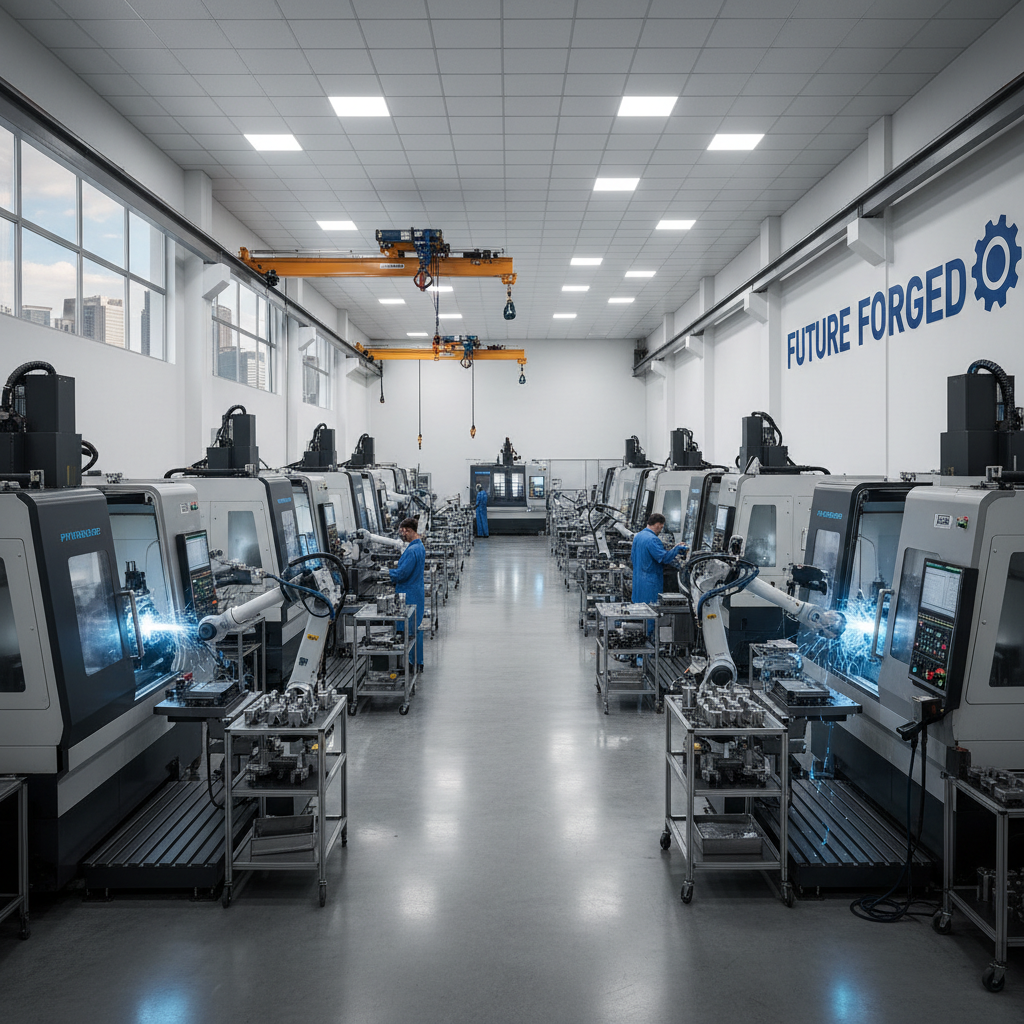
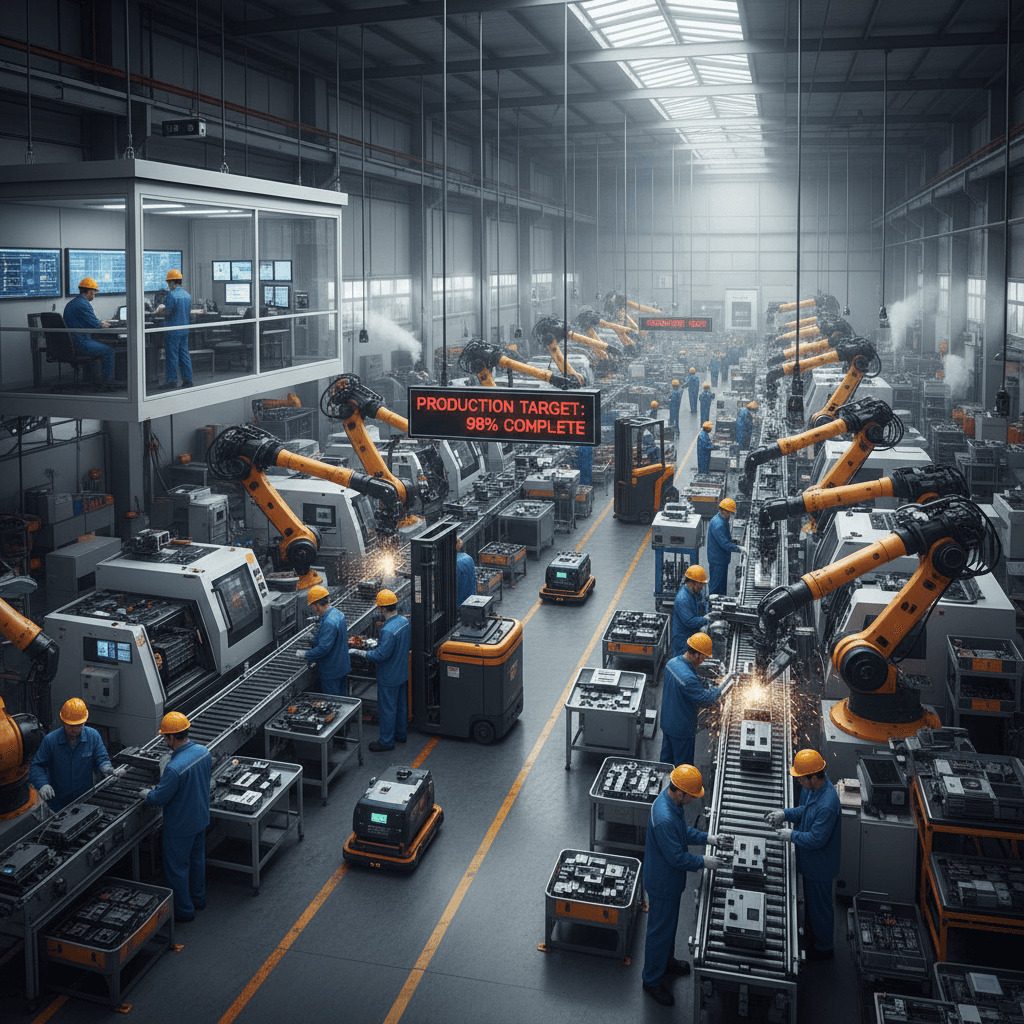
Once you understand the partnership model, the next step in how to choose a contract manufacturer is a deep dive into their physical assets. A manufacturer’s equipment list is the most honest representation of what they can actually deliver. If a shop claims they can handle high volume production but lacks automated CNC machining centers or dedicated assembly lines, your project will likely face bottlenecks or consistency issues during the scaling process.
Specific technologies dictate the quality and repeatability of your output. Multi axis CNC machining, for example, allows for complex geometries and tight tolerances that manual processes simply cannot replicate. In a scaled production environment, specialized assembly equipment is equally vital to ensure every unit is identical to the last. A capable partner in Duchesne, UT, should demonstrate the ability to manufacture individual precision components and then integrate them into a finished product assembly under one roof. This vertically integrated approach reduces the risk of sub assembly errors and simplifies your supply chain.
Hardware alone is not a guarantee of success; reliability is the ultimate goal. Old, poorly maintained machines are prone to downtime and dimensional drift, which can lead to costly delays. Ask potential partners about their equipment maintenance schedules and the average age of their primary assets. A manufacturer that consistently invests in its facility and follows a rigorous preventative maintenance program is much less likely to miss a deadline due to unexpected mechanical failure. High quality contract manufacturing services rely on this intersection of modern technology and disciplined operational oversight.
The Importance of Quality Management Systems
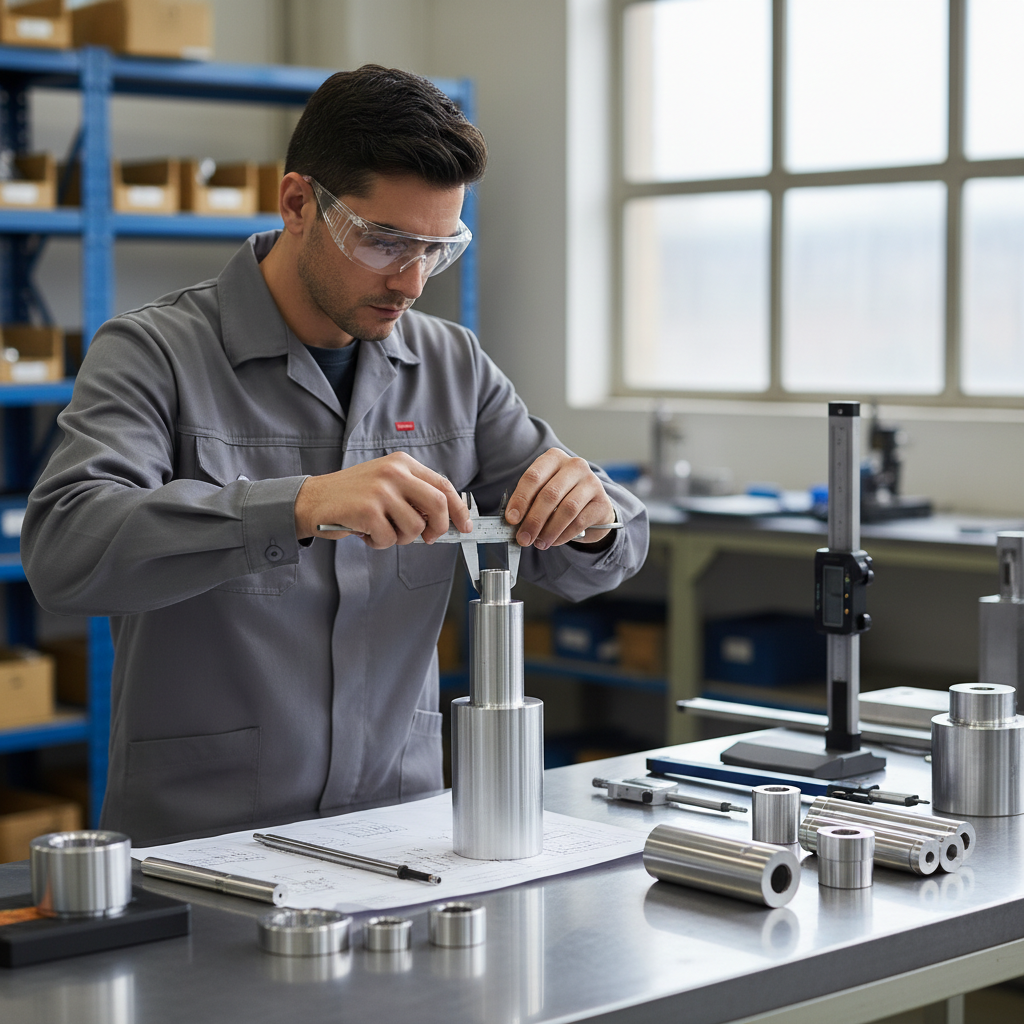
High performance machinery is only effective if a shop possesses a rigorous framework to verify every dimension. A robust Quality Management System (QMS) is not merely a stack of certifications on a wall; it is a live set of protocols that govern every movement on the shop floor. When evaluating how to choose a contract manufacturer, you must move beyond general promises of excellence and examine their specific inspection methods.
A sophisticated QMS distinguishes between reactive and proactive quality control. A reactive approach relies on a final inspection where parts are checked only after production is complete. This is risky for high volume runs because a single tool offset error could result in thousands of scrapped units before the mistake is discovered. Conversely, a proactive system utilizes in process inspection. This involves taking measurements at predetermined intervals during the production run to ensure the equipment remains within tolerance.
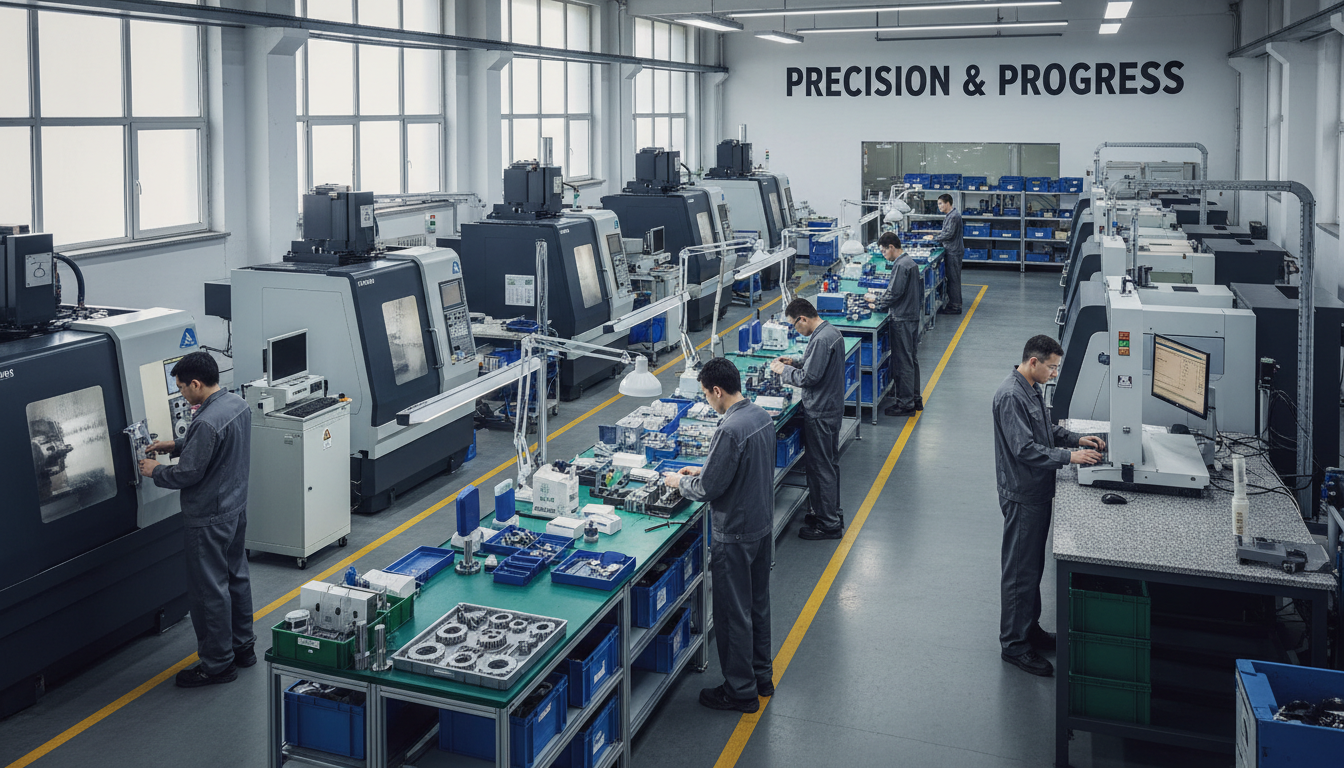
Consistency is the primary metric of success for any scale project. To achieve this, a manufacturer must utilize calibrated precision gauges, digital calipers, and specialized fixtures designed for your specific part. Every inspection should be documented to create a clear trail of accountability. You should ask to see their quality manuals or samples of their inspection reports. A partner committed to contract manufacturing services that scale effectively will prioritize these protocols because they understand that precision is not accidental. It is the result of disciplined, repeatable measurement. This level of technical oversight is what protects your brand reputation and prevents the costly downtime associated with receiving out of spec components. Before you request a manufacturing quote, ensure the provider can prove their commitment to these data driven standards.
Domestic vs Overseas: The Benefits of Local Manufacturing
When deciding how to choose a contract manufacturer, the geography of your partner is often as critical as their equipment list. Overseas manufacturing frequently tempts buyers with low unit costs, but those figures rarely account for the total cost of ownership. Shipping delays, unpredictable customs hold-ups, and the massive logistical overhead of managing a supply chain across time zones create hidden expenses that erode margins over time.
Working with a domestic partner offers a level of transparency and agility that international vendors cannot match. If a technical issue arises or a design needs a quick modification, having your production facility in Duchesne, Utah, means you can be on-site for a floor inspection within hours rather than days. This proximity facilitates faster iteration cycles, allowing you to move from prototype to full-scale production without waiting weeks for freight to cross an ocean.
Furthermore, choosing contract manufacturing services within the Uintah Basin strengthens your supply chain resilience. Local production eliminates the geopolitical and transit risks associated with global shipping lanes. For businesses prioritizing reliable delivery schedules and high-touch communication, a US-based partner provides a strategic advantage that goes beyond the price per part. You gain a collaborator who is physically accessible and legally accountable under domestic standards. If you are ready to evaluate a local partnership, you can request a manufacturing quote to see how regional production fits your project timeline.
Evaluating Scalability and Financial Stability
A common question during the procurement process is how much contract manufacturers charge for their labor and overhead. Pricing is rarely static; it is intrinsically linked to production volume and the financial health of the facility. Higher volumes generally drive down the unit cost because the manufacturer can amortize setup times and leverage bulk material discounts. However, the lowest bid is not always the safest choice. When determining how to choose a contract manufacturer, you must analyze their ability to scale without compromising their operational integrity.
The ideal partner occupies a middle ground. They must be large enough to absorb sudden increases in your order volume, yet small enough to offer the personalized technical support that larger conglomerates often neglect. A partner with too little capacity will bottleneck your growth; one with too much might deprioritize your account in favor of larger clients. At Duchesne Manufacturing, we find that mid-market stability allows for both high-volume output and direct access to decision-makers.
Financial stability is a critical component of risk management. A manufacturer with unstable cash flow may struggle to maintain equipment or, in the worst case, cease operations during your production cycle. This leaves your tooling and materials in legal limbo. Before you request a manufacturing quote, vet the provider's track record and tenure. Reliable contract manufacturing services are built on a foundation of solvency and steady growth, ensuring they remain a viable resource as your product moves from initial launch to market saturation.
Communication and Project Management Style
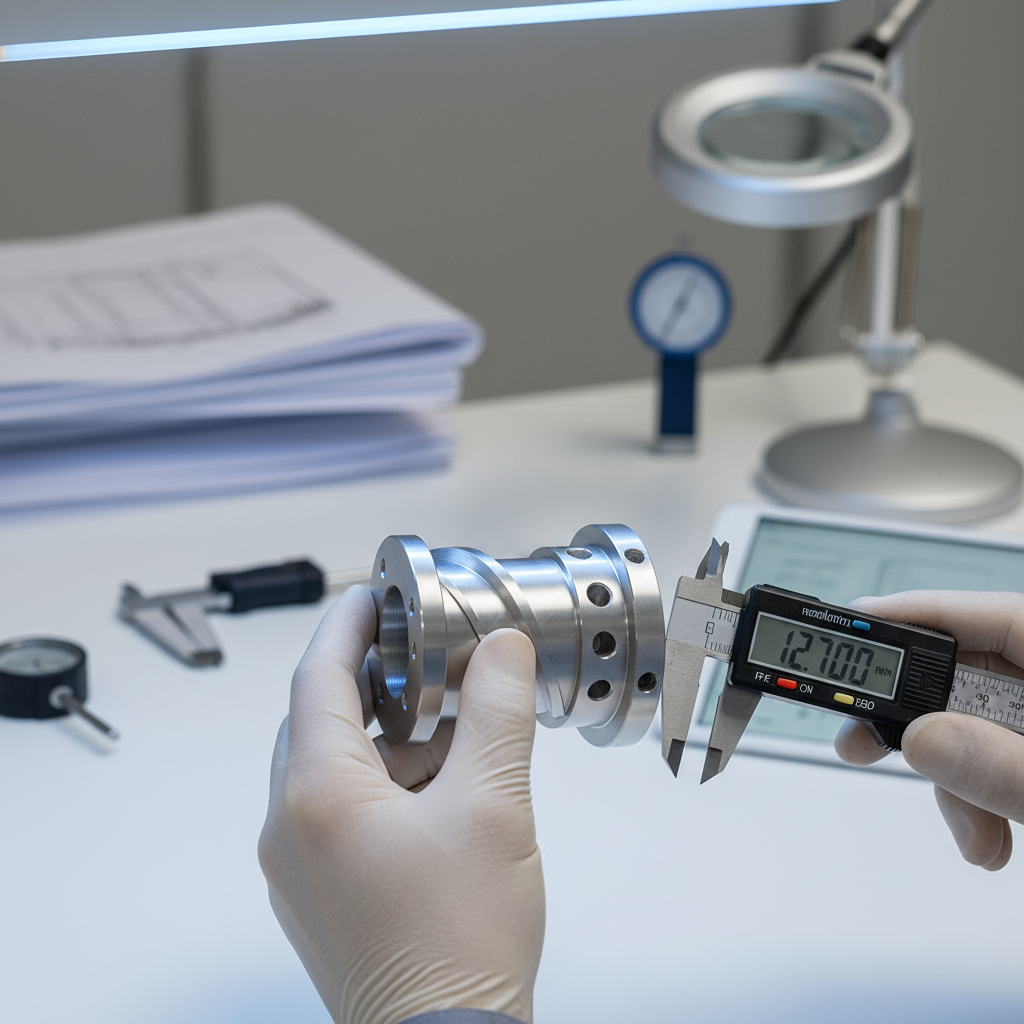
Operational solvency provides the foundation for a partnership, but daily success relies on the fluid exchange of technical information. Even the most advanced automation and precision tools are ineffective if there is a disconnect between your engineering team and the shop floor. When evaluating how to choose a contract manufacturer, prioritize their project management framework. You should look for a partner that provides a dedicated point of contact rather than a generic customer service inbox. This individual serves as a technical bridge, ensuring that engineering updates, timeline shifts, and quality reports are communicated in real time.
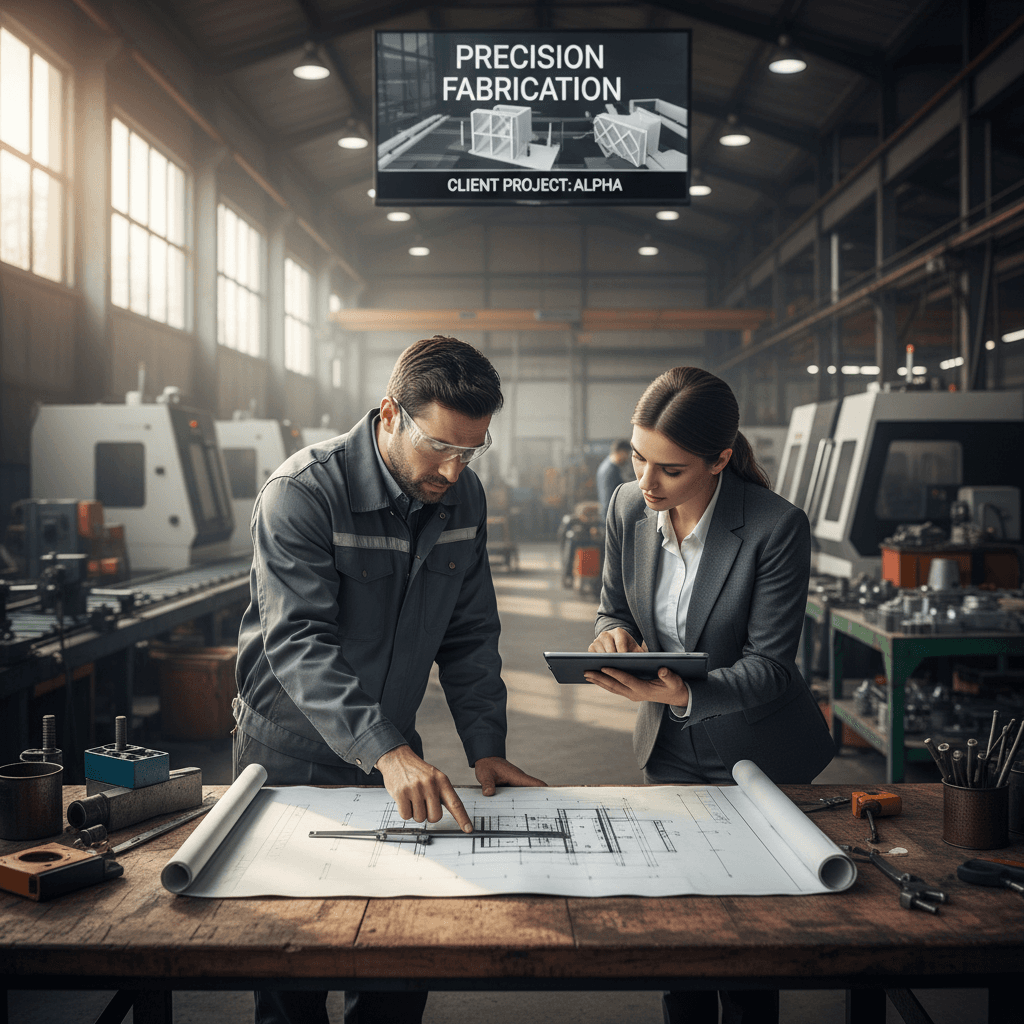
A high-quality partnership begins with a collaborative engineering review, which is more than a simple feasibility study. At Duchesne Manufacturing, we frame this as a deep dive into Design for Manufacturability (DFM). This phase is where an expert team at about Duchesne Manufacturing provides the most value. By analyzing your prints early, the CM identifies specific opportunities to reduce tool changes, minimize material waste, or simplify complex assembly steps. These refinements directly lower your unit cost and improve the long-term repeatability of the production run.
Effective contract manufacturing services do not just follow instructions blindly; they offer the critical feedback necessary to optimize your design for the realities of the production line. This collaborative approach prevents the need for mid-production corrections that can derail a schedule. If you are ready to see how this technical oversight applies to your specific design, you can request a manufacturing quote to start the consultation process.
The Ultimate Contract Manufacturer Selection Checklist
To finalize your evaluation, use this structured checklist as a template during your vetting process. It bridges the gap between theoretical capability and operational reality. When determining how to choose a contract manufacturer, use these specific criteria to separate high-performing facilities from standard job shops.
Industry Record: Does the manufacturer have a documented history of success within your specific sector? Expertise in one field does not always translate to the unique tolerances or regulatory needs of another.
Volume Verification: Can the shop provide references for production runs that match your projected scale? Request data on lead time consistency for high-volume orders to ensure they can sustain your growth.
Engineering Change Orders (ECOs): How is a design update handled once production has started? Look for a formal ECO process that includes version control and physical sign-offs to prevent old revisions from reaching the assembly line.
Facility Condition: Is the production floor organized, clean, and safe? A well-kept facility is often a proxy for the manufacturer's attention to detail and equipment maintenance standards.
Scalability and Personnel: Does the team have the technical staff to support your project if volume doubles? Verify that operators are properly trained on the specific equipment scheduled for your run.
If a partner meets these rigorous criteria, they likely possess the infrastructure to handle your contract manufacturing services effectively. You can request a manufacturing quote to begin assessing these factors against your project requirements.
Ultimately, choosing a contract manufacturer requires a thorough assessment of quality standards, communication styles, and production capabilities to ensure long term success. If you are looking for expert help to navigate this selection process, our team at Duchesne Manufacturing is here to guide you. You can learn more on our About page to see how our dedicated approach to precision can help you achieve your production goals with confidence.