Prototype to production contract manufacturing enables companies to seamlessly scale their product designs from initial concepts to high-volume output while maintaining consistent quality and cost-efficiency. By partnering with a manufacturer that offers integrated quality control and supplier management, businesses can ensure their products meet exact specifications throughout the entire lifecycle. This strategic approach minimizes risks and reduces the need to switch partners as production demands grow.
Most innovators hit a wall when transitioning from a hand-built prototype to a thousand precision-engineered units. While that first model proves your concept works, it rarely accounts for the logistical rigor of a high-volume assembly line. This transition is where minor design oversights often transform into significant, costly failures. Bridging the gap requires a strategic shift from simple functionality toward long-term manufacturability and repeatable quality. In this guide, we will analyze the five essential stages of the production process and explain how to optimize your Bill of Materials for maximum efficiency. You will learn how to maintain consistency through rigorous quality control and how to scale your operations without the disruption of switching partners. Our goal is to provide a practical framework for turning your technical vision into a scalable, market-ready reality.
Understanding the Shift: Prototype to Production Contract Manufacturing
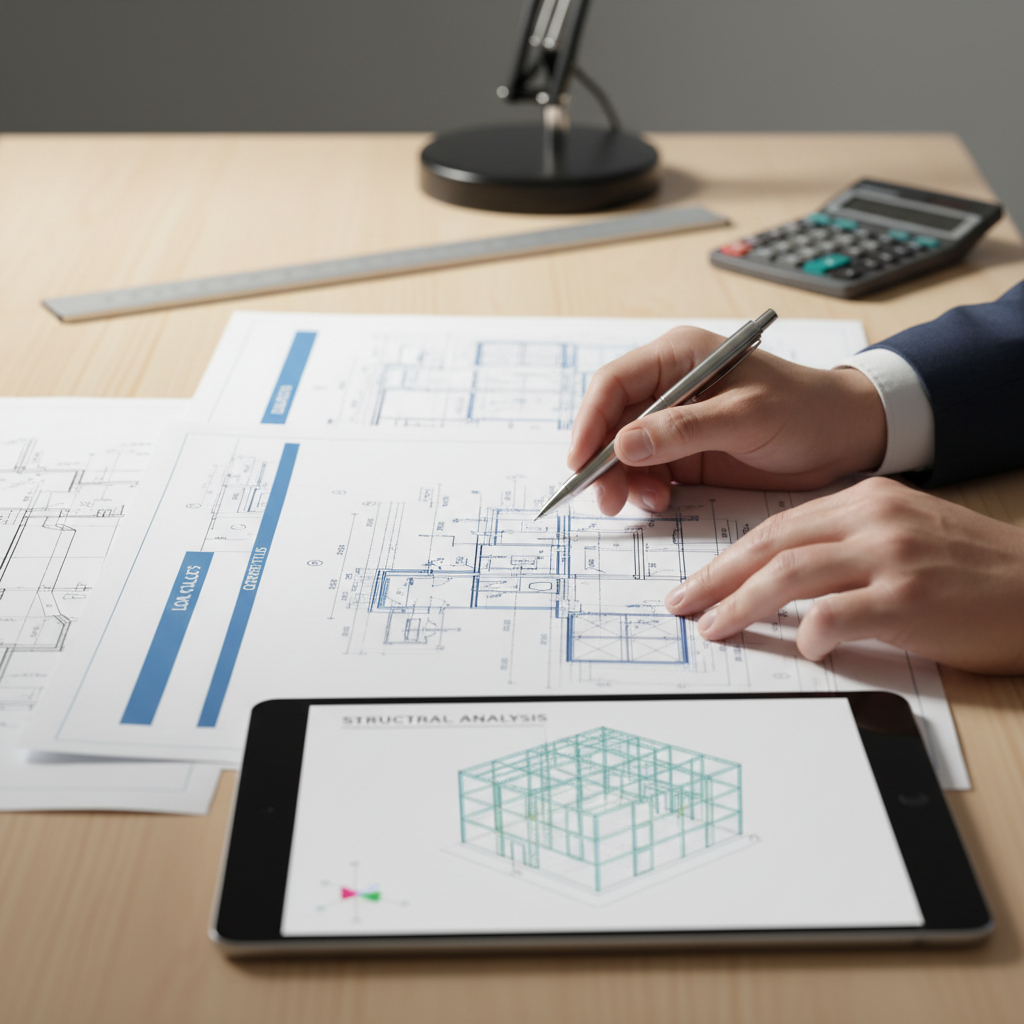
Moving a product from a functional concept to a scalable commodity is a transition that often catches developers off guard. In the initial prototyping phase, the primary goal is functionality. A bench prototype serves as a proof of concept; it is designed to prove that the mechanical or electronic logic works, often utilizing 3D printed components, hand-soldered boards, or off the shelf parts that are not cost effective for mass market distribution. At this stage, labor hours per unit are high, and material costs are secondary to validating the design.
Successfully navigating prototype to production contract manufacturing requires a fundamental shift in priorities toward repeatability, cost efficiency, and speed. A production ready design differs from a bench prototype in its reliance on Design for Manufacturability. While a prototype might require a technician to carefully align a specific bolt, a production ready design utilizes jigs, fixtures, and tight tolerances to ensure that every unit coming off the line is identical to the last. This phase focuses on optimizing the manufacturing cycle time and reducing the bill of materials to a sustainable price point.
Duchesne Manufacturing bridges this gap by providing a facility in Duchesne, UT, equipped to handle the nuances of both low volume initial runs and high volume scaling. One of the most common mistakes in hardware development is partnering with a small prototype shop that lacks the infrastructure for scale, only to be forced into a costly and time consuming partner switch when demand increases. By utilizing our contract manufacturing services, clients maintain continuity of quality and institutional knowledge as they move from their first fifty units to their first ten thousand.
The 5 Essential Stages of the Production Process
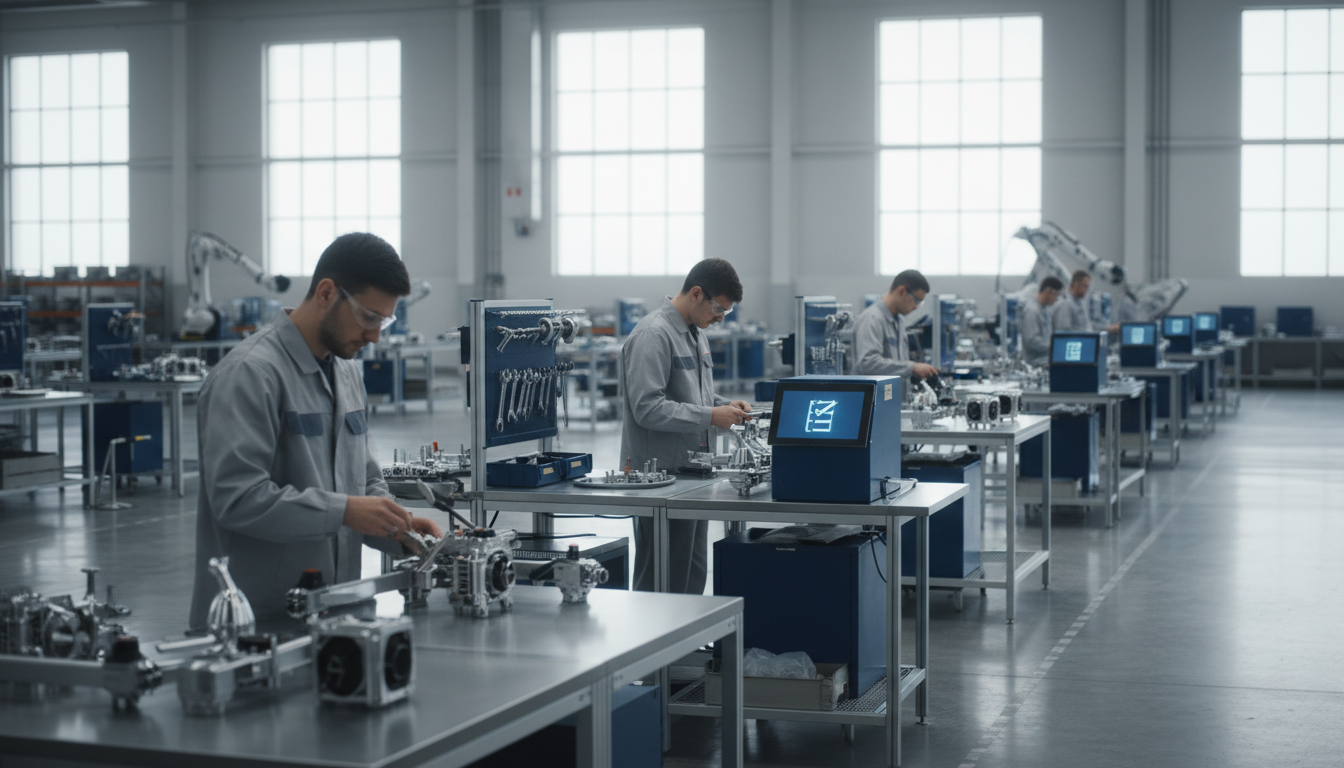
Moving from a functional prototype to a market-ready product requires following a structured roadmap to minimize risk and capital waste. Within the context of scaling, the answer to the common question, "What are the 5 stages of the production process?" centers on technical validation and risk mitigation. Each stage serves as a checkpoint to ensure the product remains viable as volume increases at our facility in Duchesne, UT.
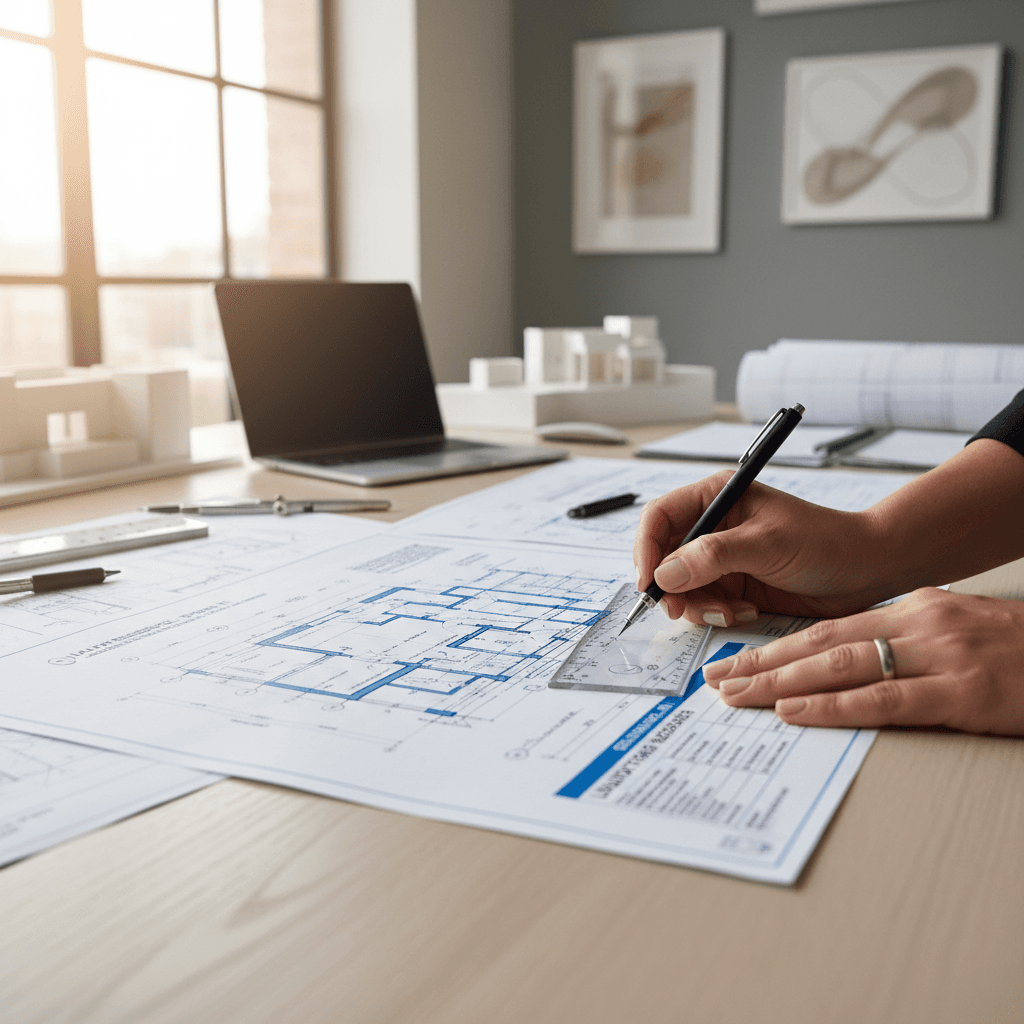
Design Finalization: This stage involves locking in the Bill of Materials (BOM). During prototyping, you might use equivalent components based on immediate availability. For production, every part must be specified, sourced through stable channels, and cost-optimized. A locked BOM prevents the "scope creep" that can lead to unexpected cost overruns during a large build.
[Design for Manufacturability](/blog/design-for-manufacturability-in-contract-manufacturing) (DFM) Review: We analyze the design to ensure it can be assembled efficiently at scale. This often involves simplifying part geometry or consolidating components to reduce assembly time. If a part requires a complex manual maneuver to install, it will become a bottleneck in a thousand-unit run. DFM solves these issues on paper before any metal is cut.
Tooling and Pilot Runs: This is where we create the necessary molds, jigs, and fixtures. We strongly recommend a pilot run of 50 units rather than jumping straight to 5,000. A pilot run identifies "tolerance stack-up" issues or assembly hurdles that were not apparent in a single bench prototype. It is far more cost-effective to adjust a mold after fifty units than to rework five thousand.
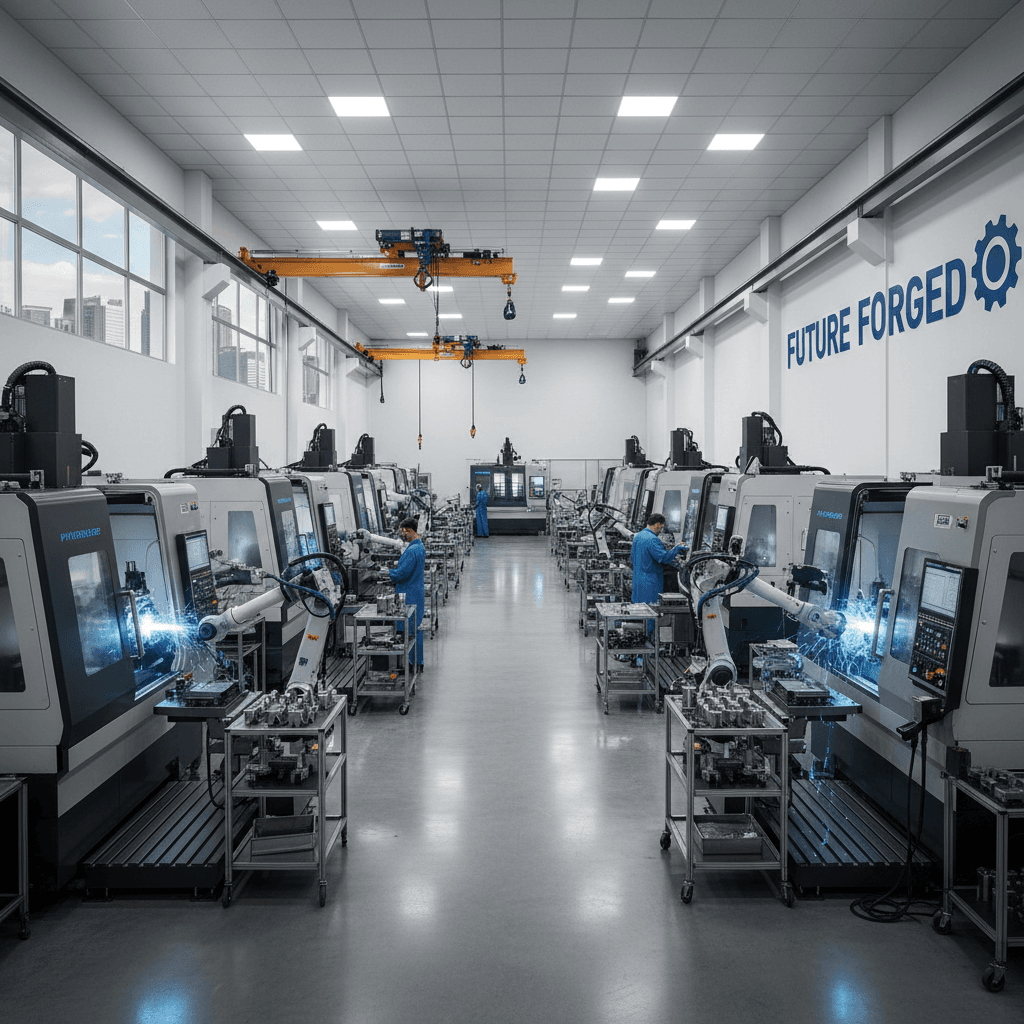
Scaling Production: Once the pilot units are approved, the project moves into full-scale contract manufacturing services. This stage focuses on labor efficiency and throughput. We transition from manual, station-based assembly to optimized line production, where repeatability is the primary metric of success.
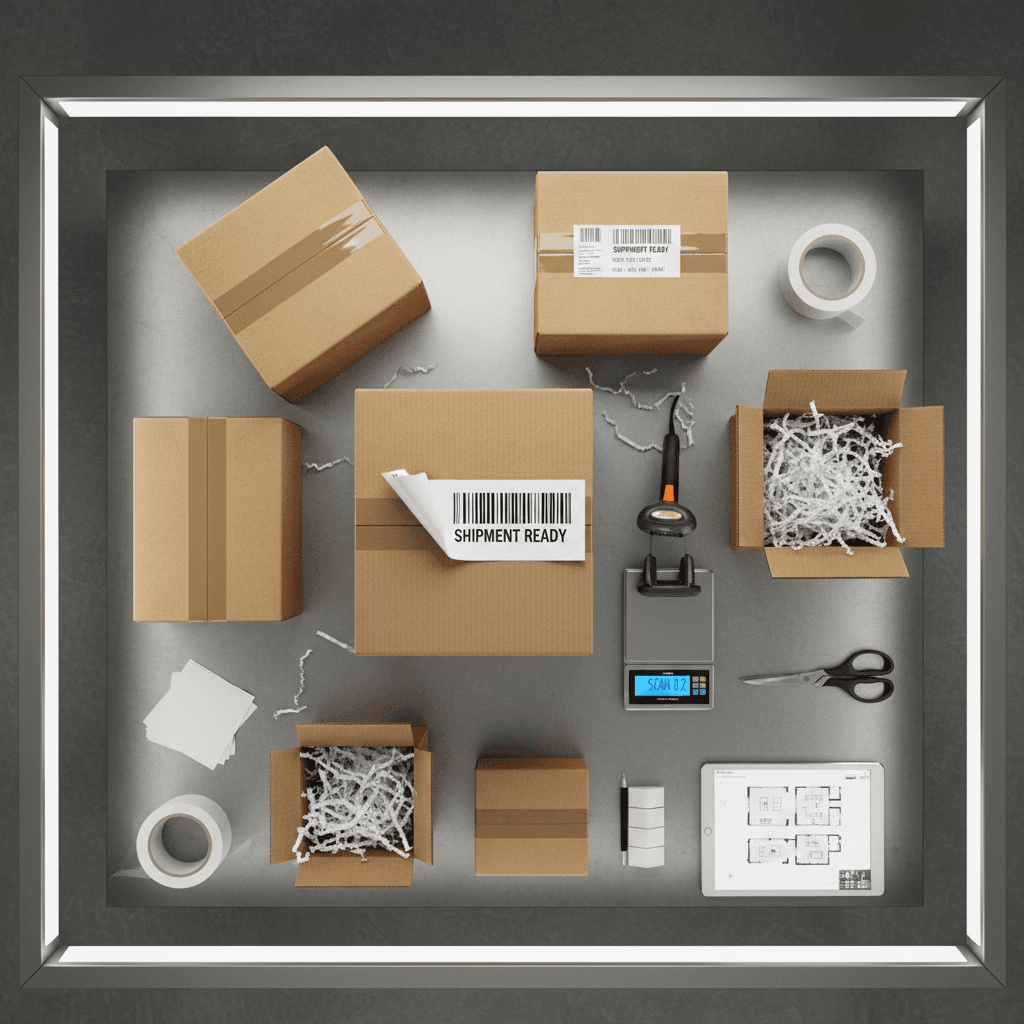
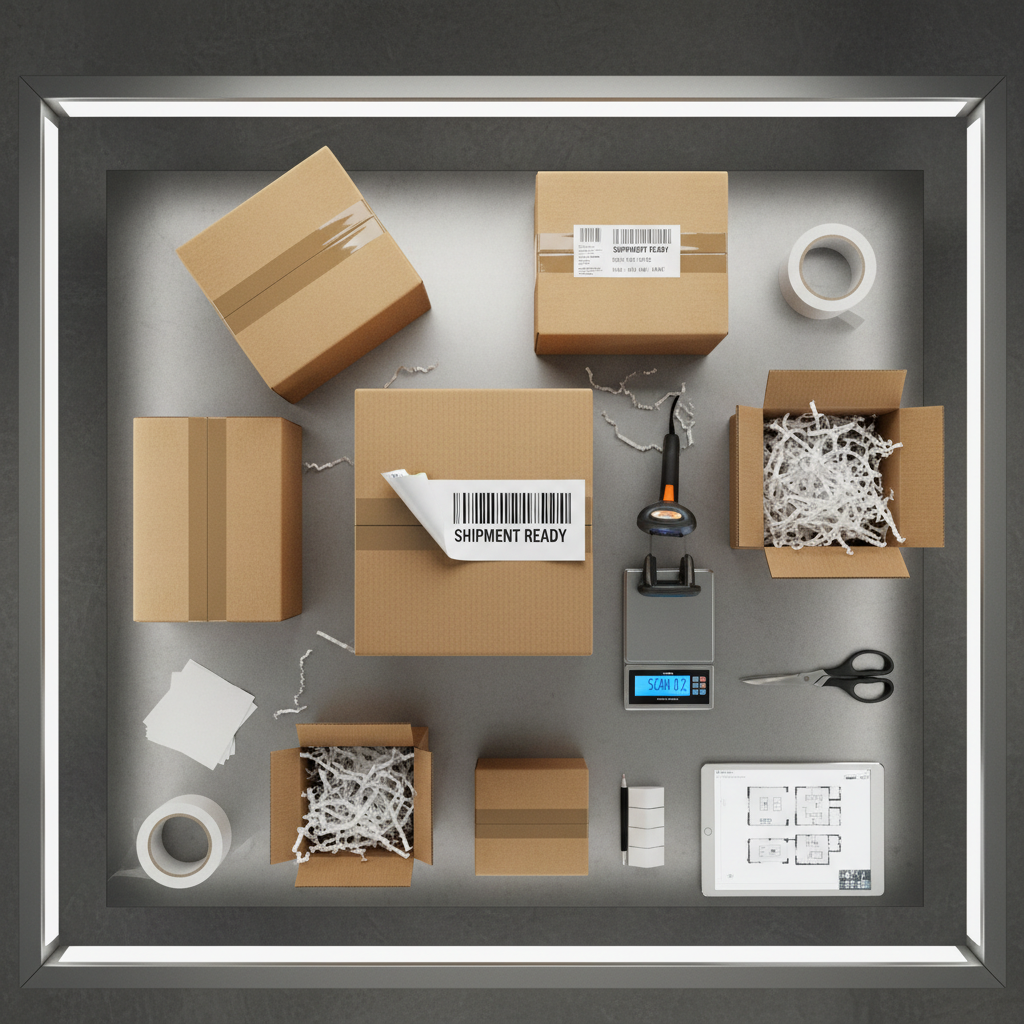
Quality Assurance and Logistics: The final stage involves rigorous inspections based on your technical specifications. This includes functional testing and final packaging for shipment. By integrating logistics into the production cycle, we ensure that the product is not only built correctly but also arrives at its destination without damage or inventory errors.
Optimizing Your Bill of Materials for Scale
Optimizing the Bill of Materials (BOM) is a critical step in the journey of prototype to production contract manufacturing. During the initial prototyping phase, components are often sourced from retail distributors at premium prices to ensure speed and flexibility. However, the scale production meaning centers on the strategic transition to bulk purchasing and labor efficiency. In a factory setting, the cost of every fastener, circuit, or raw material becomes a primary driver of the final unit price.
At Duchesne Manufacturing, we work with clients to refine their BOM for high volume output. This involves identifying long lead time components months before the first production run. Relying on retail availability for thousands of units is a recipe for delay; instead, we leverage our established supplier relationships to secure wholesale pricing and guaranteed delivery schedules. By consolidating orders and sourcing raw materials in bulk, we significantly reduce the variable costs that would otherwise erode margins.
A production ready BOM also accounts for Design for Manufacturability. We review the list to ensure that specified parts are not approaching end of life status and that there are viable secondary options for critical components. This proactive management prevents the production line at our Duchesne, UT, facility from grinding to a halt due to a single missing part. Moving beyond the bench mindset allows our contract manufacturing services to transform a high cost prototype into a competitively priced product ready for the global market.
Quality Control in Contract Manufacturing: Maintaining Consistency at Scale
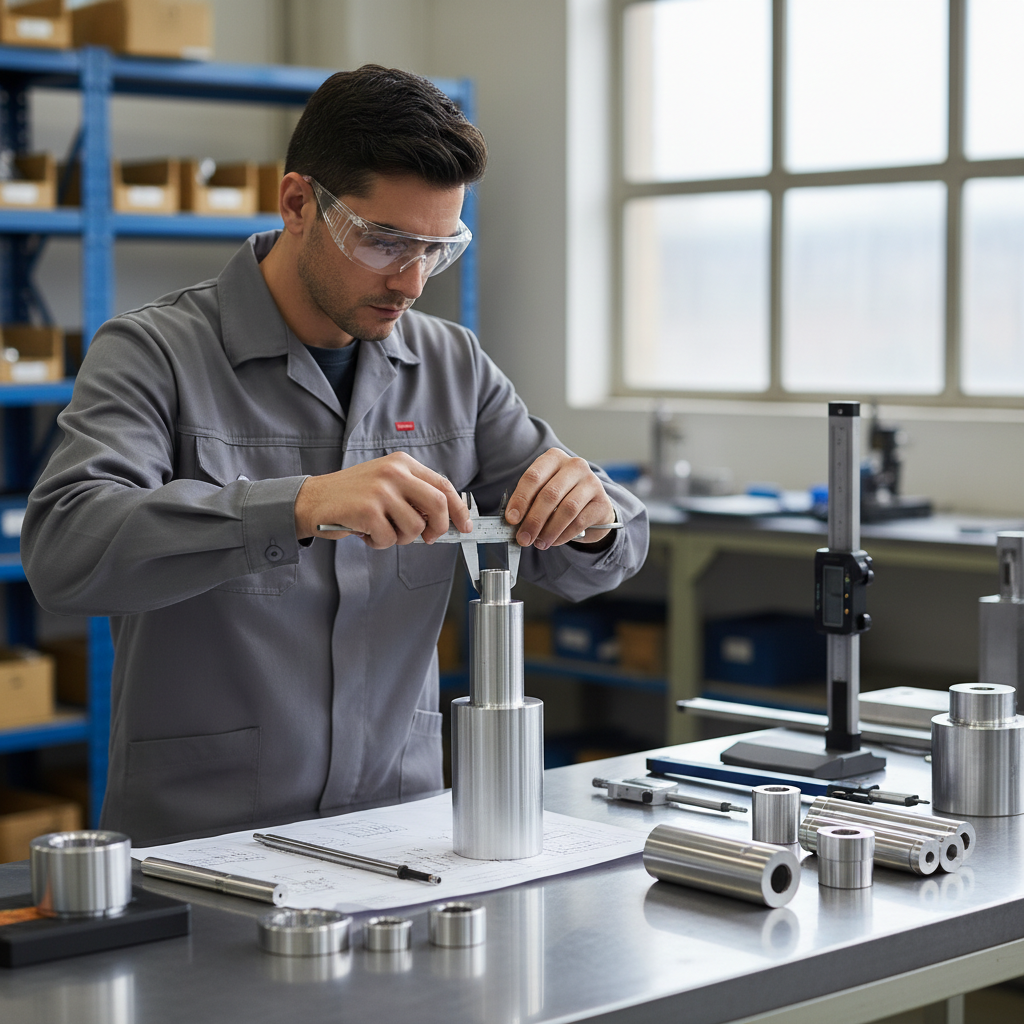
Transitioning from a refined Bill of Materials to the assembly line requires a robust quality control process. During the prototyping phase, a developer might personally inspect every bolt and solder joint by hand. However, as volume increases, manual 100% inspection becomes a bottleneck that compromises speed without necessarily guaranteeing better results. Scaling effectively means shifting toward Statistical Process Control (SPC). By monitoring specific variables during the manufacturing run, we use data to identify trends before a part falls out of tolerance, ensuring that the thousandth unit is as reliable as the first.
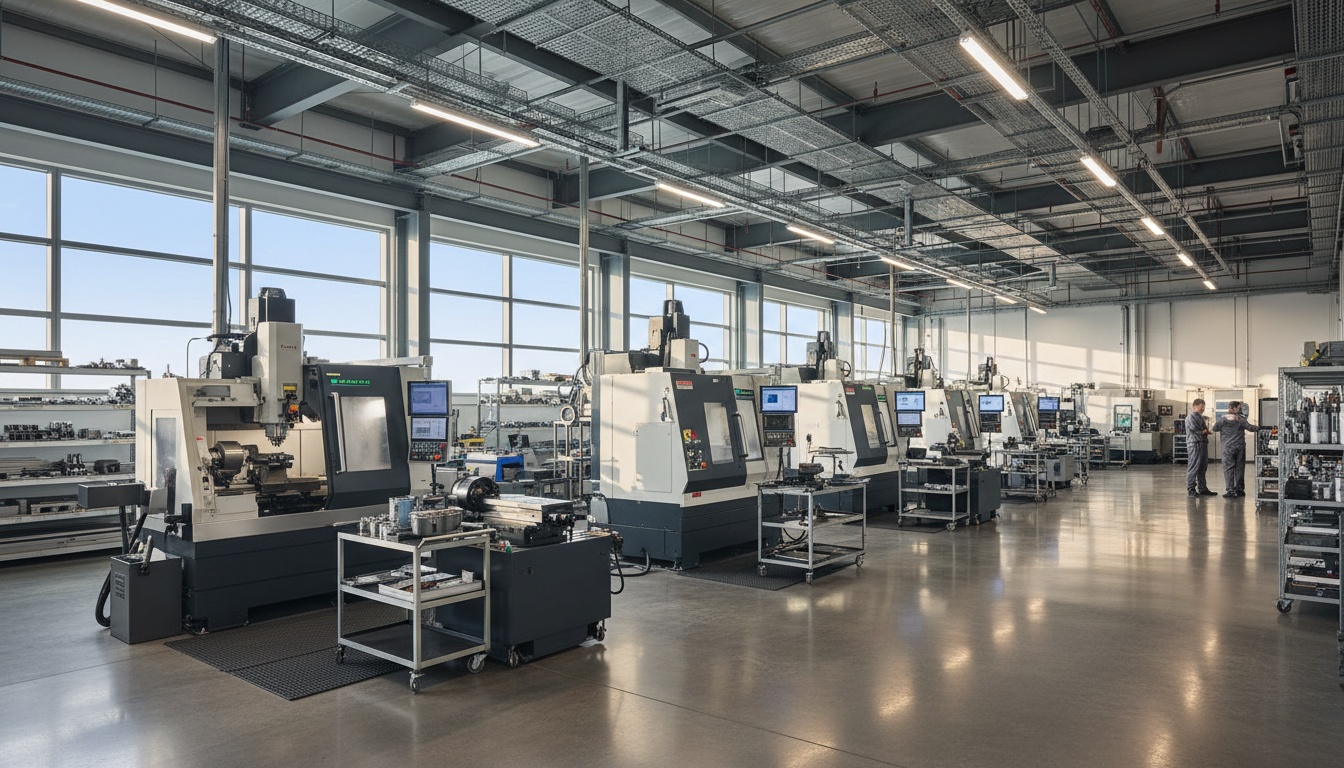
Maintaining consistency at our Duchesne, UT, facility involves a multi-layered approach to inspection. We begin with raw material inspection, utilizing dimensional checks and material composition analysis to verify that incoming stock matches the Design for Manufacturability requirements. Once the machines are running, our team employs in-process quality checks. This includes the use of precision gauges, micrometers, and calipers to measure critical dimensions at set intervals. Regular equipment calibration is also mandatory; even the most advanced CNC or assembly hardware can drift over time, so we schedule frequent resets to maintain the tight tolerances required by your technical blueprints.
A significant benefit of choosing a domestic partner for your contract manufacturing services is the transparency it provides. Being based in the United States allows clients to bypass the hurdles of international travel for first-article approvals or site inspections. If a design requires a complex assembly sequence, you can walk our floor in Duchesne to see the process firsthand. This proximity ensures that quality standards are not just written in a contract but are actively observed and verified throughout the production lifecycle. To discuss how we can implement these standards for your project, Contact Duchesne Manufacturing today.
How to Scale Without Switching Contract Manufacturing Partners
Scaling from prototype to production without switching contract manufacturers requires choosing a partner with the physical infrastructure and labor capacity to handle growth before the first part is even cut. Many developers start with small machine shops only to find those shops lack the floor space or equipment to handle thousand-unit orders. This triggers "partner hopping," which introduces significant risks. When you move production, you face new re-tooling costs because fixtures and jigs are rarely universal. You also lose the institutional knowledge built during the pilot phase, forcing a new team to undergo a steep learning curve that often leads to quality dips.
To avoid these pitfalls, prioritize a partner with vertical integration. This means a facility that manages everything from raw material processing to final assembly under one roof. Duchesne Manufacturing is built for this trajectory. Our facility in Duchesne, UT, maintains the equipment and labor force necessary to transition a project seamlessly from a fifty-unit pilot to a high-volume production run. By keeping your contract manufacturing services with one provider, you protect your intellectual property and ensure that the refinements made during the Design for Manufacturability phase are carried forward without interruption. If you are ready to build with a partner that can grow alongside your business, Contact Duchesne Manufacturing to discuss your project requirements.
Overcoming Common Scaling Roadblocks
Scaling production introduces variables that are often invisible during the development of a single unit. Identifying these hurdles early is the difference between a profitable launch and a warehouse full of scrap.
1. Tolerance Stack-up In a bench prototype, a technician might hand-file or force a slightly oversized component to fit. In a run of 1,000 units, those minor variations accumulate. If three mated parts are each 0.005 inches off, the final assembly may fail entirely. We mitigate this through a thorough Design for Manufacturability review, analyzing how individual tolerances interact across the entire assembly to ensure repeatable fitment without manual rework.
2. Labor Scarcity and Management Attempting to scale in-house requires significant capital for hiring, training, and facility overhead. Finding and retaining skilled labor in the current market is a persistent challenge that can stall growth for months. By utilizing our contract manufacturing services, you leverage an existing, trained workforce in Duchesne, UT. This allows you to scale output based on market demand without the logistical burden and liability of managing a large internal payroll.
3. Communication Breakdown Errors often stem from ambiguous technical blueprints or outdated manufacturing specifications that do not translate well to the factory floor. At Duchesne Manufacturing, we perform a professional review of all documentation before the production line starts. This verification ensures that the "on" switch is only flipped when every department, from procurement to final assembly, has a unified understanding of the project. If you are navigating the transition from prototype to production contract manufacturing, a proactive review prevents costly mid-run corrections. To start your project review, Contact Duchesne Manufacturing today.
Successfully scaling your product from a single prototype to full-scale production requires a balance of quality control, logistical planning, and technical expertise. While the journey involves many moving parts, having a clear roadmap ensures your vision translates effectively to the market. If you want expert help navigating these complexities or finding a dedicated partner to support your growth, you can learn more about our team and values to see how we might collaborate on your next manufacturing project.